
Caladium Bulbs: Planting, Sprouting, and Storage Notes
Caladium bulbs are easy to misunderstand — mostly because they stay hidden.
Before the first leaf appears, everything important is happening underground, and that silence makes it tempting to poke, dig, or “fix” things too early.
I grow caladiums indoors, in containers, through Pacific Northwest seasons. Over time, I’ve learned that bulbs don’t follow neat timelines, and they don’t respond well to impatience. Many situations that look like problems are actually normal phases — especially before and after dormancy.
This page is about understanding caladium bulbs as a system: how they store energy, when they wake up, when they rest, and how to work with that rhythm instead of against it. It’s not a troubleshooting hub — it’s the context that makes problems easier to recognize later.
Understanding Caladium Bulbs (Before Planting)
Before planting, most decisions are about interpretation, not action.
Bulbs look inactive, uneven, and sometimes damaged even when they’re perfectly viable.
This section focuses on what a caladium bulb actually is, how to read its structure, and which visual cues matter before planting — especially for container growers who don’t have the buffer of outdoor soil.
When Caladium Bulbs Sprout (And When They Don’t)
Sprouting doesn’t follow a fixed timeline, especially indoors.
I’ve had bulbs sit quietly for weeks and still grow normally later. What matters more than days passed is temperature, moisture timing, and whether the bulb feels stable rather than active.
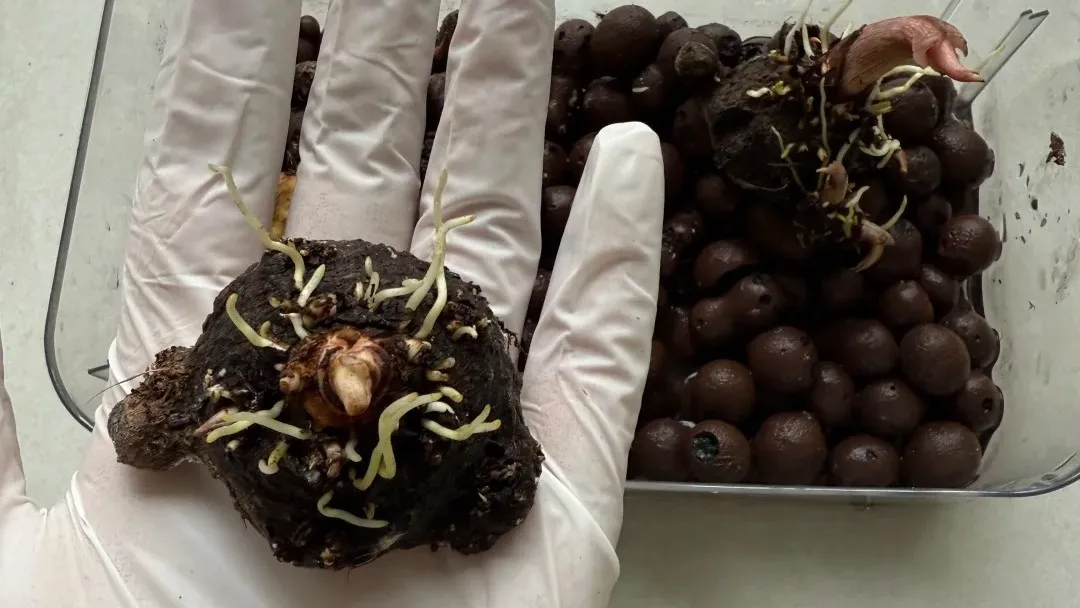
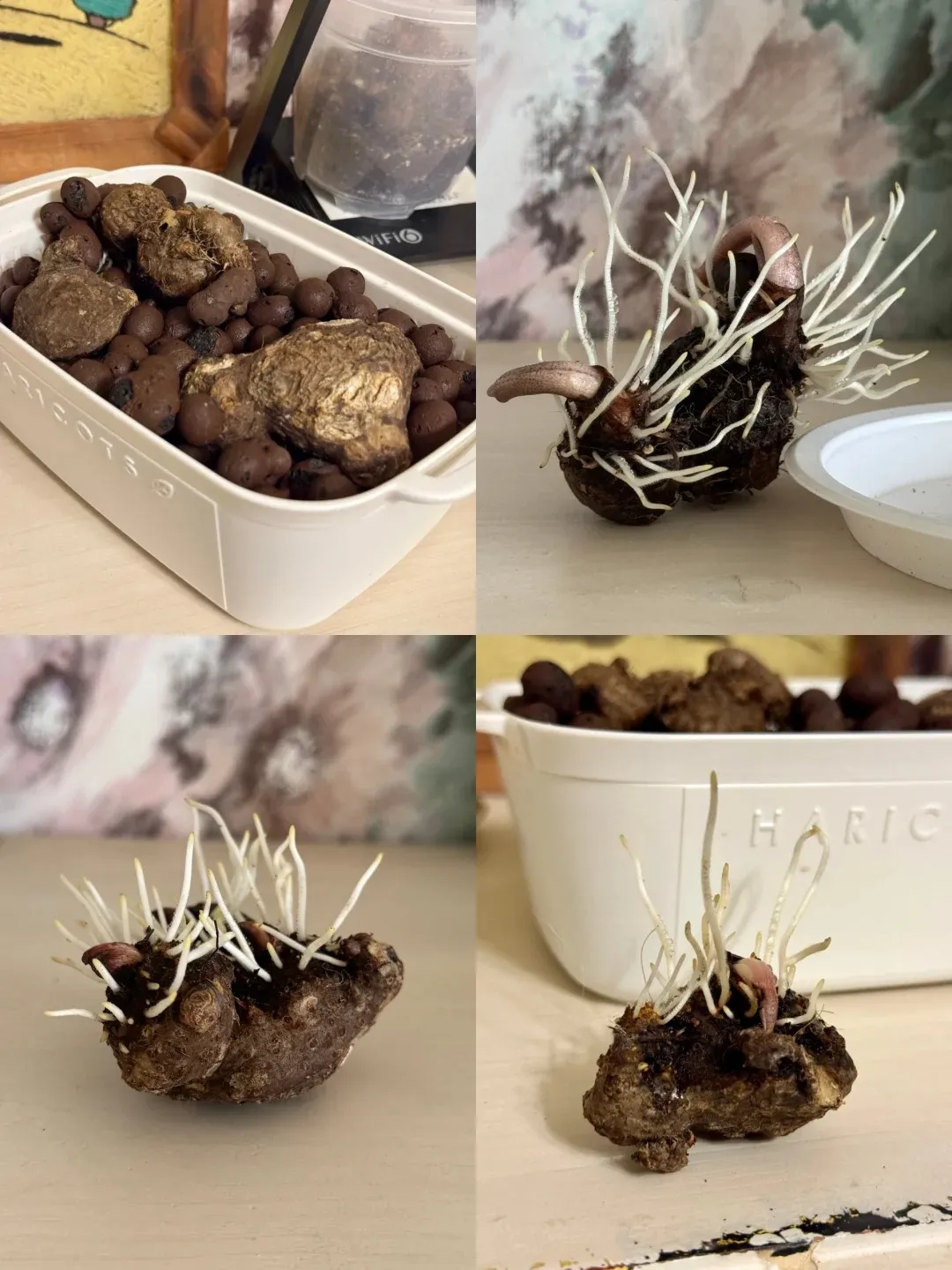
Caladium Bulb Not Sprouting After Weeks? Here’s What Finally Saved Mine
After weeks of nothing happening, I had to decide whether to wait or intervene. This shares what actually helped — and what didn’t.
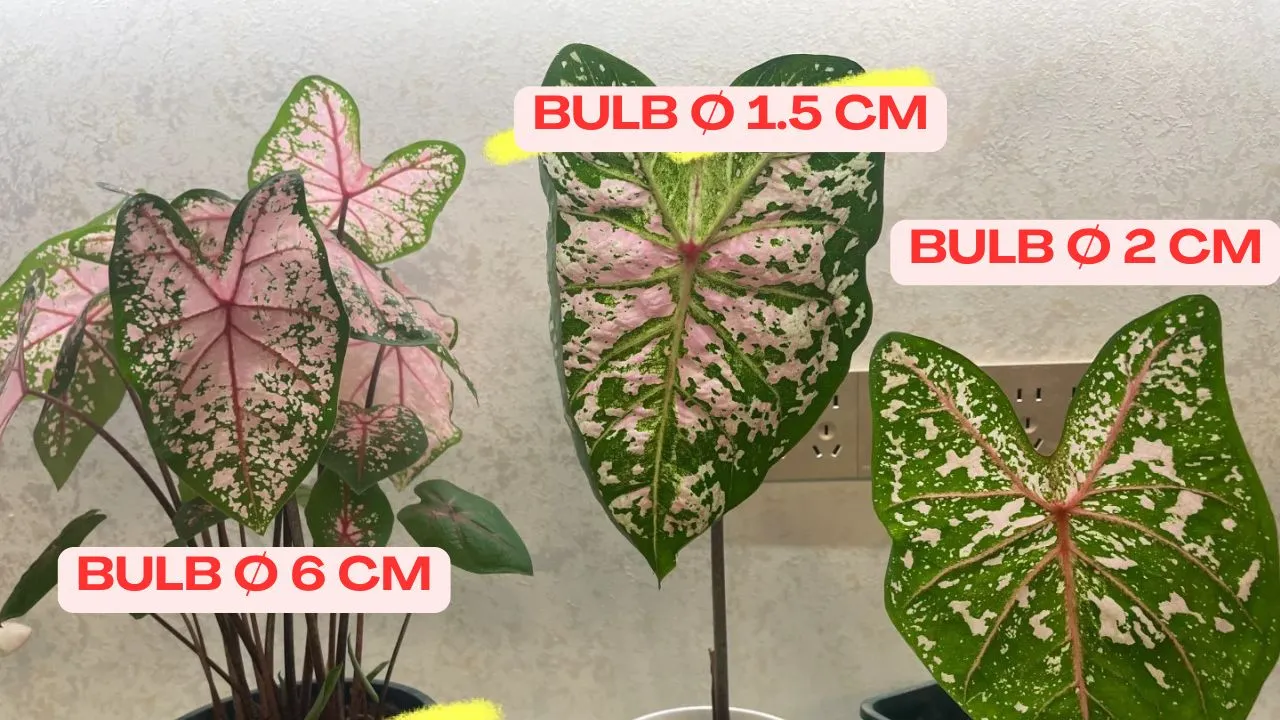
Does a Bigger Caladium Bulb Produce Bigger Leaves? (Real Side-by-Side Comparison)
I grew caladiums from different bulb sizes side by side to see if bigger bulbs really produce bigger leaves.
Planting Caladium Bulbs (Indoors & Containers)
Planting indoors is less about speed and more about avoiding stress.
Depth, airflow, and soil structure affected my bulbs far more than planting date or orientation. Small decisions here tend to show up weeks later, not immediately.
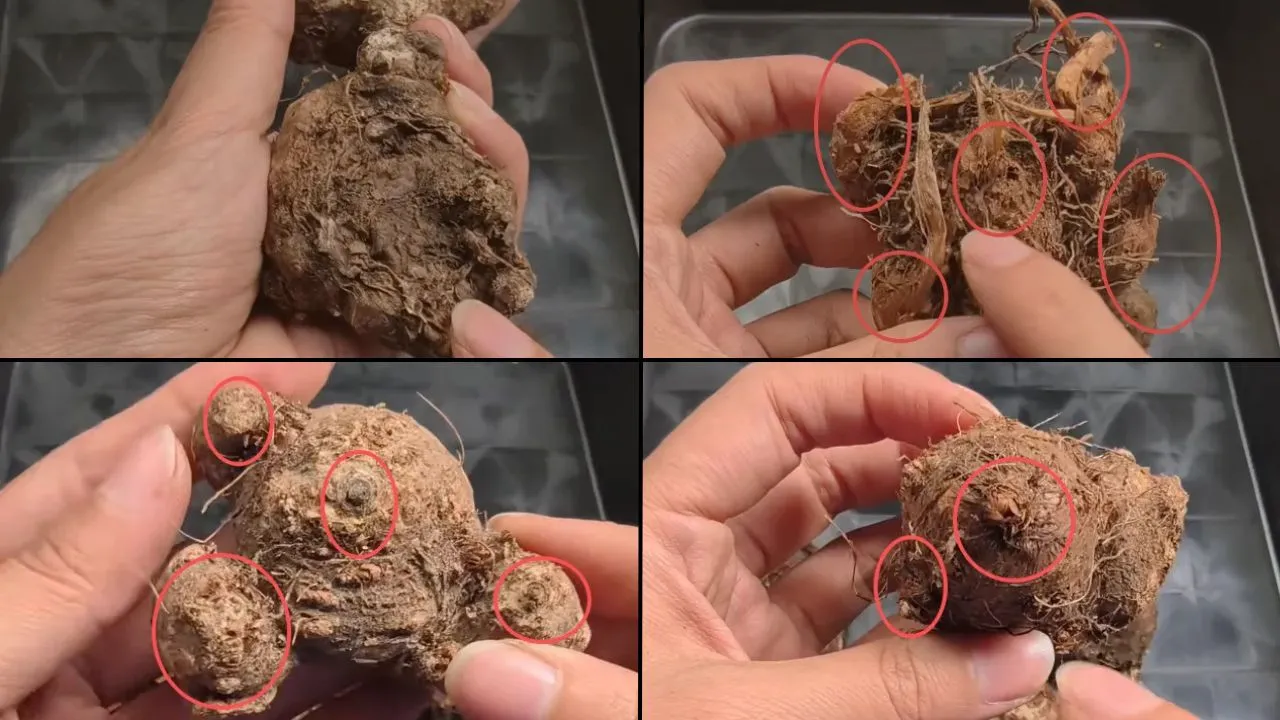
Which Way Up to Plant Caladium Bulbs? (Real Examples That Make It Obvious)
Seeing the bulb from multiple angles made orientation much clearer. This post walks through real examples and visual cues I now rely on before planting.
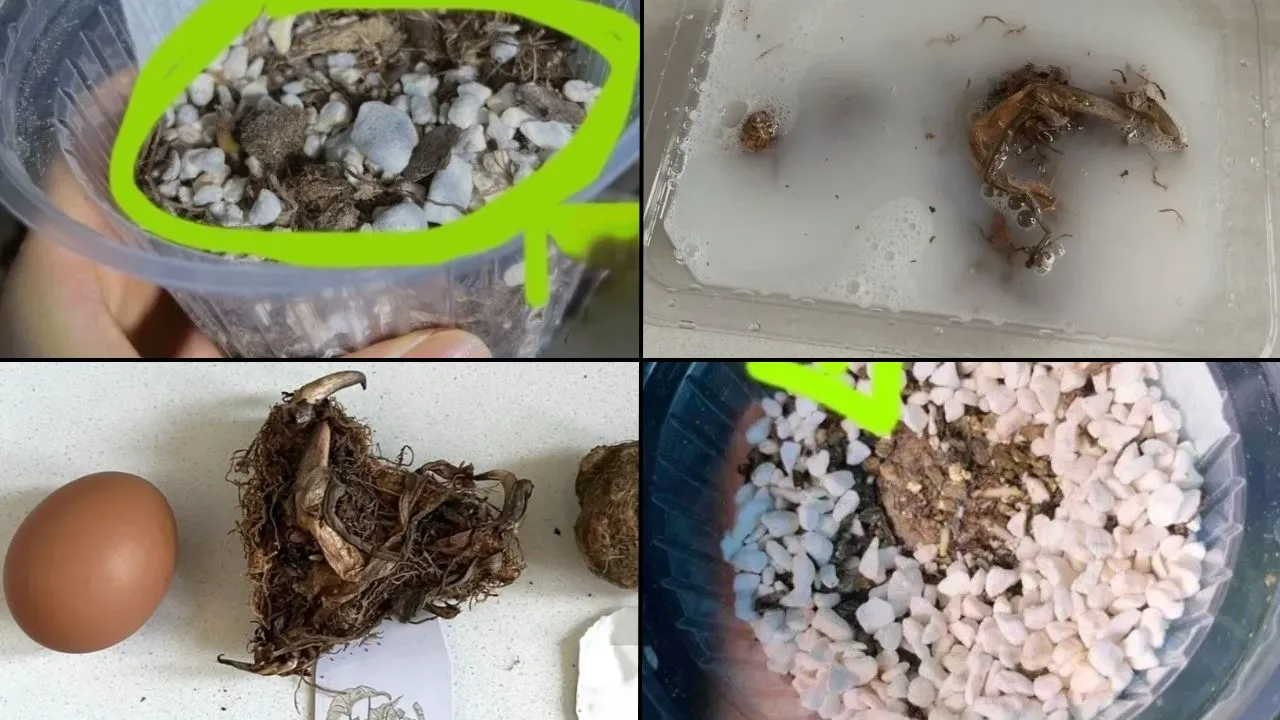
How to Plant Caladium Bulbs Successfully (What Most Guides Get Wrong)
Planting caladium bulbs indoors isn’t as straightforward as most guides suggest. These are the small details that made the difference in my own container setup.
Storing & Overwintering Caladium Bulbs
Most of my bulb losses didn’t happen during growth, but during storage.
Dryness, airflow, and how often I checked them mattered more than the exact method I used.
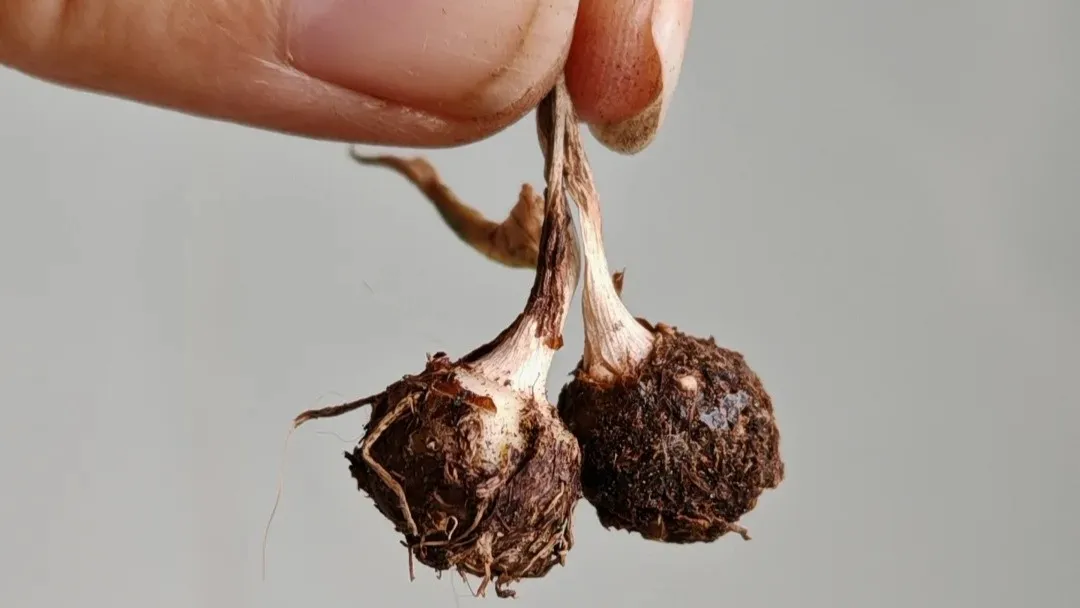
How to Store Caladium Bulbs the Right Way
A simple storage method matters less than keeping bulbs dry, airy, and checked often through the off-season.
FAQ
Quick answers to bulb questions that usually come up before or between seasons — especially the ones that lead people to interfere too early.
Some bulbs sprout quickly, others stay inactive for weeks and still grow normally later. I stopped counting days and started watching temperature and bulb firmness instead.
In many cases, the bulb is adjusting underground before showing anything above the soil. Silence doesn’t automatically mean failure.
Checking too early caused more damage for me than waiting, especially when the bulb was still firm and odor-free.
A bulb doesn’t need to look “perfect” to be viable.
Some large bulbs struggled, while smaller ones established more steadily. Size mattered far less than overall condition and timing.
Cool fluctuations slowed sprouting far more than slightly lower but stable temperatures.