The first time I grew caladiums, I did not really understand their growing cycle.
I was attracted by their colorful leaves and patterns, so I bought several caladiums online in 2024. At that time, I did not even know much about different varieties, and I was still learning how these plants actually grew.
When the growing season ended, I also did not know what to do with the tubers. Instead of lifting and storing them, I simply left my caladiums in their pots through winter.
Honestly, I thought I had probably made a mistake and lost them.
But the following year, something unexpected happened. Those same caladiums started growing again.
After growing caladiums for three years, I realized they are much more interesting than I originally thought. The leaves may disappear, but the plant itself may still be alive underground.
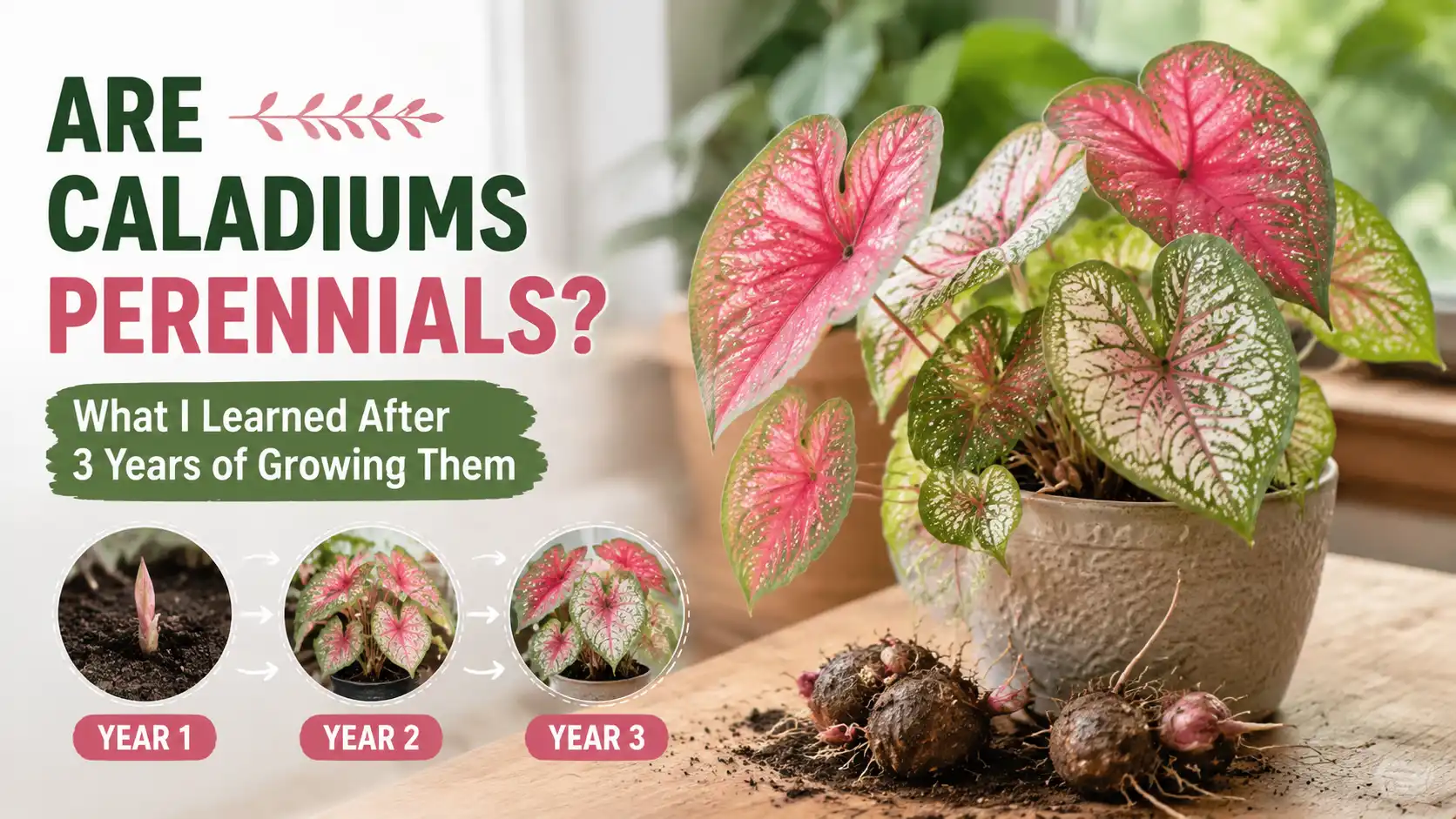
Are Caladiums Perennials?
Yes, caladiums are considered perennial plants because they grow from underground tubers that can produce new growth year after year.
However, whether they actually come back depends on the growing environment.
In warm climates where temperatures stay above freezing, caladium tubers can often remain in the ground and return every growing season. In colder areas, the tubers need protection because freezing temperatures can damage them.
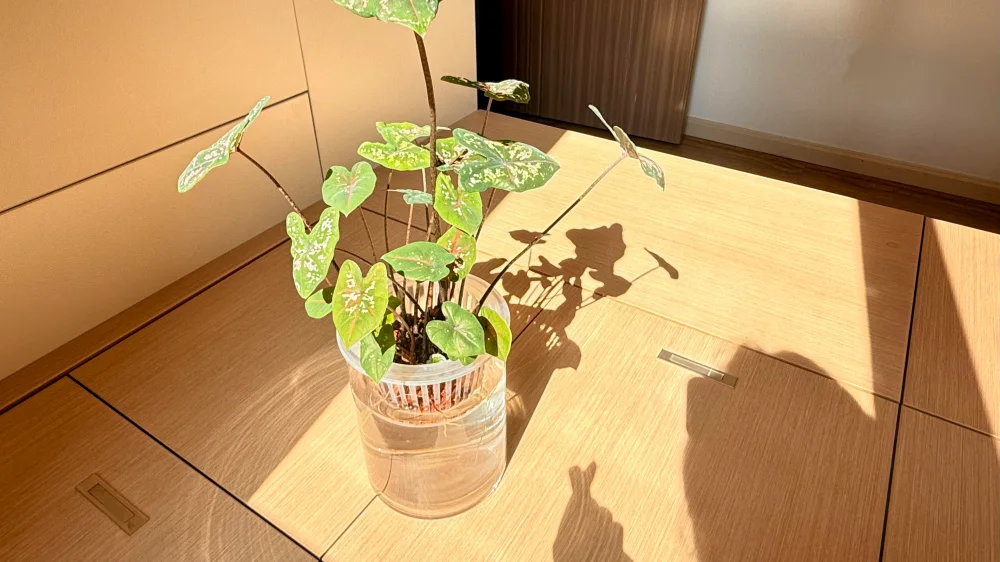
Since I grow caladiums indoors in the Pacific Northwest, I do not treat them like outdoor perennial plants. For me, they are plants that can return each year if the tuber stays healthy.
My First Year With Caladiums: I Did Not Know They Could Come Back
My first year growing caladiums was mostly a learning experience.
I bought several plants because I loved their leaves, but I did not really understand their needs. I was not familiar with tubers, dormancy, or how caladiums naturally slow down after the growing season.
When winter arrived, I simply left them in their pots. I did not dig up the tubers, clean them, or prepare them for storage.
At the time, I thought this was probably the end of those plants.
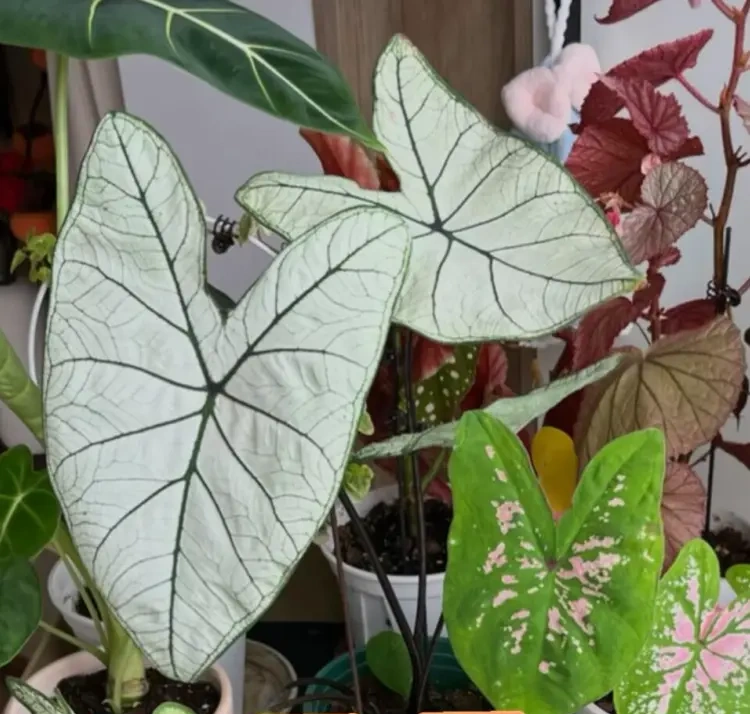
Looking back, I would not say leaving caladiums in their pots over winter is the method I always recommend. But that mistake taught me something important.
Caladiums are not as fragile as I once believed. Even when the leaves disappear, the tuber underneath may still be waiting for the right conditions to grow again.
The Second Year Changed How I Saw Caladiums
The next growing season, I started noticing something I did not expect.
The caladiums that I thought had disappeared during winter began producing new growth again. Slowly, new leaves emerged from the same pots where I thought nothing was happening.
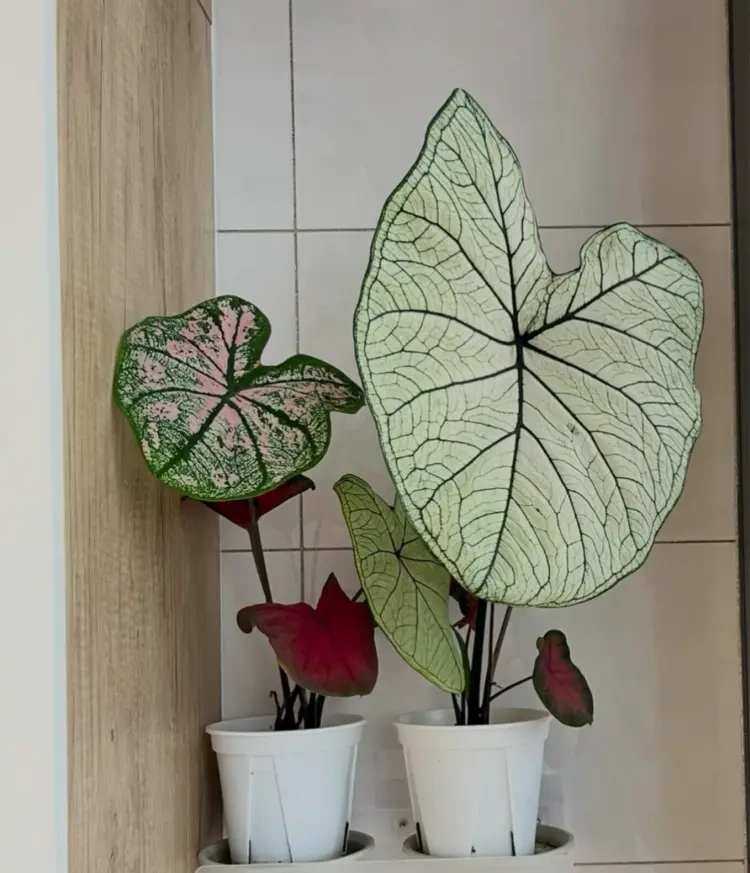
Some of those plants even produced much larger leaves than I expected.
That was the moment I stopped thinking of caladiums as plants that simply disappear at the end of the season.
The leaves were only the visible part of the plant. The real surprise was happening underground. I also noticed that the relationship between tuber size and leaf growth is not always as simple as it looks.
This experience also changed how I think about dormancy. A caladium losing its leaves does not always mean something has gone wrong.
Three Years Later, Small Tubers Still Surprise Me
In my third year growing caladiums, I had another reminder of how much these plants can surprise me.
I planted some of my tubers later than I originally planned. I only started planting them at the beginning of the month, and when I first looked at those small tubers, I did not expect much.
But after they started growing, those tiny tubers produced leaves much larger than I imagined.
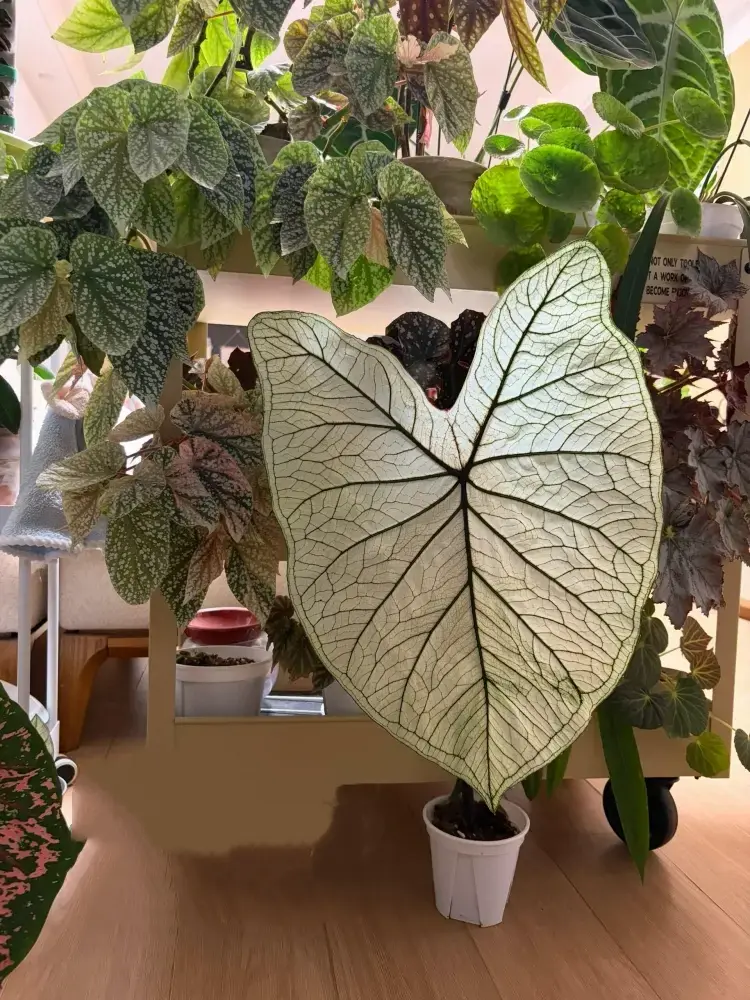
The leaves are still expanding, and I am waiting until the growth becomes more stable before moving them into larger pots.
This is probably one of the biggest lessons caladiums have taught me. The size of the tuber does not always tell the whole story.
A small tuber with enough stored energy can still produce impressive growth when the conditions are right.
Why Caladiums Can Come Back Year After Year
After seeing this happen for several seasons, I started paying more attention to what happens below the soil rather than only focusing on the leaves.
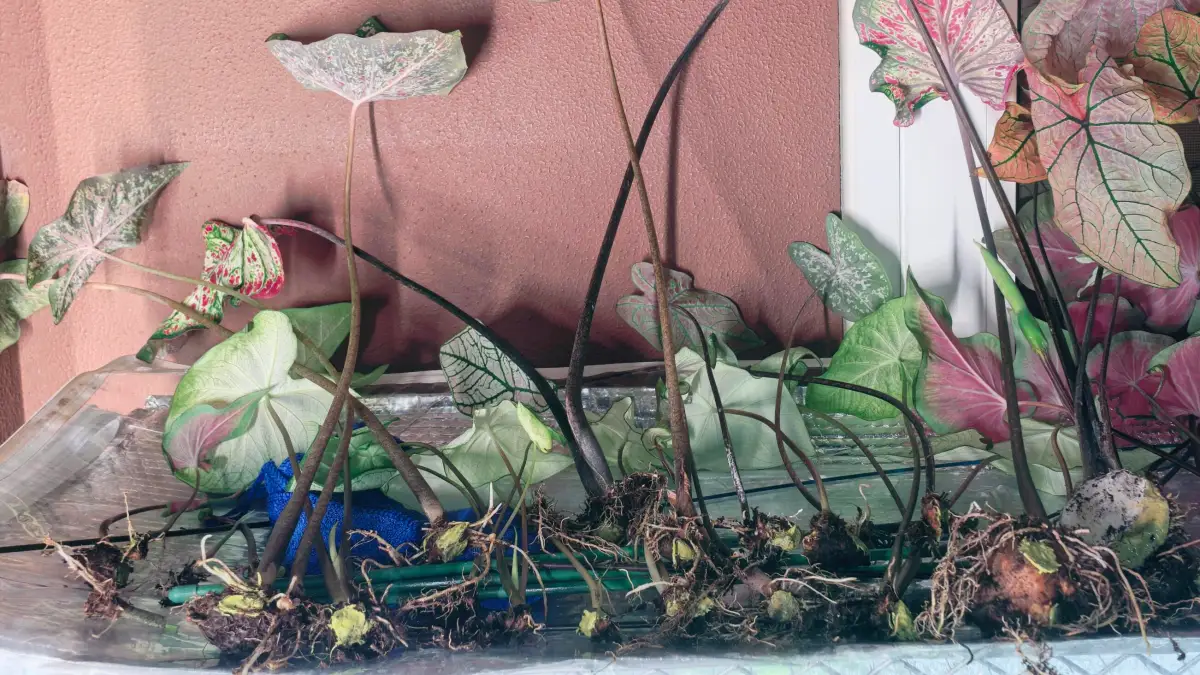
During dormancy, the leaves disappear because the plant is no longer actively growing above the soil. But the tuber remains alive, storing energy that can support new growth when conditions improve.
This is why I now pay more attention to the health of the tuber rather than only looking at the leaves.
A healthy caladium tuber can return after dormancy, but not every tuber will successfully grow again. Problems usually happen when the tuber is damaged:
- The tuber rots from staying too wet
- The tuber is damaged by freezing temperatures
- The tuber dries out too much during storage
If the tuber remains firm and healthy, there is still a chance that the caladium will grow again in the next growing season.
This is also why I eventually started paying more attention to how I handle caladium tubers during the resting period. I shared more about my experience with storing caladium bulbs over winter as I learned more about their seasonal cycle.
Do Caladiums Need to Be Dug Up Every Year?
The answer depends on where you grow them.
In warm climates, caladium tubers can often stay in the ground and return naturally year after year.
For growers in colder areas, leaving them outside through freezing temperatures is much riskier. Protecting the tubers becomes an important part of keeping them alive for the next season.
Since I grow caladiums indoors in the Pacific Northwest, I have more flexibility. I can either allow them to rest in their pots or store the tubers depending on the situation.
If you are starting new caladiums from stored tubers, my guide on planting caladium bulbs successfully covers how I approach the beginning of a new growing season.
Three Years Later, I See Caladiums Differently
When I first started growing caladiums, I thought losing leaves meant I had failed.
Now I understand that dormancy is simply part of their natural cycle.
Caladiums do not always follow a perfect schedule. Sometimes they start late, sometimes the leaves are smaller than expected, and sometimes they surprise me with more growth than I imagined.
After three years of growing them, the biggest lesson I have learned is that the visible part of the plant does not always tell the whole story.
The leaves may disappear, but a healthy tuber can still be waiting for the right moment to grow again.