
Caladium Problems: Common Issues & How to Fix Them
Caladium problems rarely show up all at once.
Most of the time, something small shifts first — a leaf fades, growth slows, or a bulb stays quiet longer than expected.
I’ve grown caladiums indoors through Pacific Northwest seasons, and what I’ve learned is this: many “problems” aren’t sudden failures. They’re signals. Sometimes they point to water. Sometimes to light. And sometimes, they’re just the plant changing pace.
This page isn’t a checklist or a care chart.
It’s a map of the most common caladium issues I’ve actually encountered — grouped by what they look like, how they develop, and what helped (or didn’t) in my own setup.
If your caladium feels off but you’re not sure why, start with the section that matches what you’re seeing.
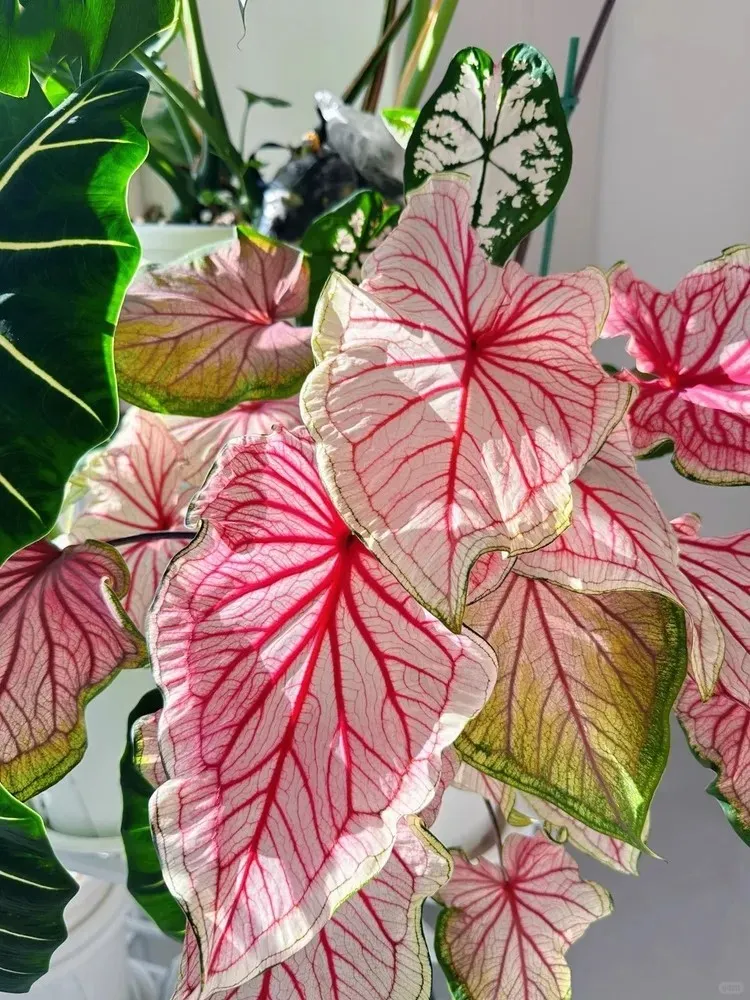
Leaf Problems
Leaf issues are usually the first thing people notice — yellowing, browning edges, curling, fading color, or leaves that never fully open.
In my experience, leaf problems are rarely just about the leaf itself. They’re often the result of something happening below the surface or in the surrounding environment. These guides focus on what different leaf symptoms actually meant in real indoor conditions, and which changes made a visible difference.
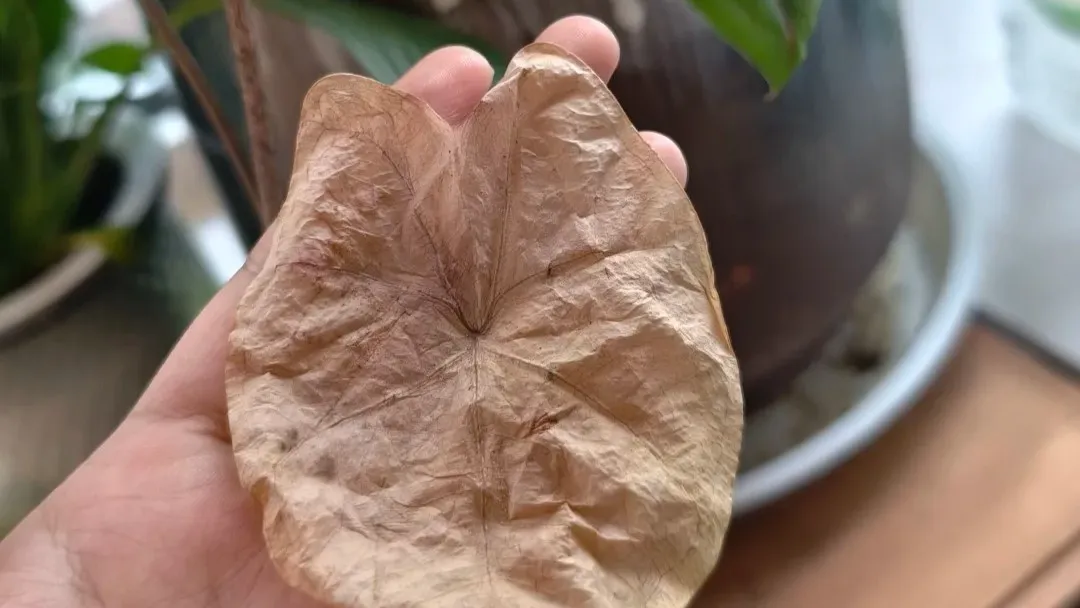
Why My Caladium Leaves Turn Yellow — and When I Finally Stopped Fixing Them
Yellowing didn’t always mean something was wrong. Here’s how I learned to tell stress from a natural slowdown — and when intervention actually made things worse.
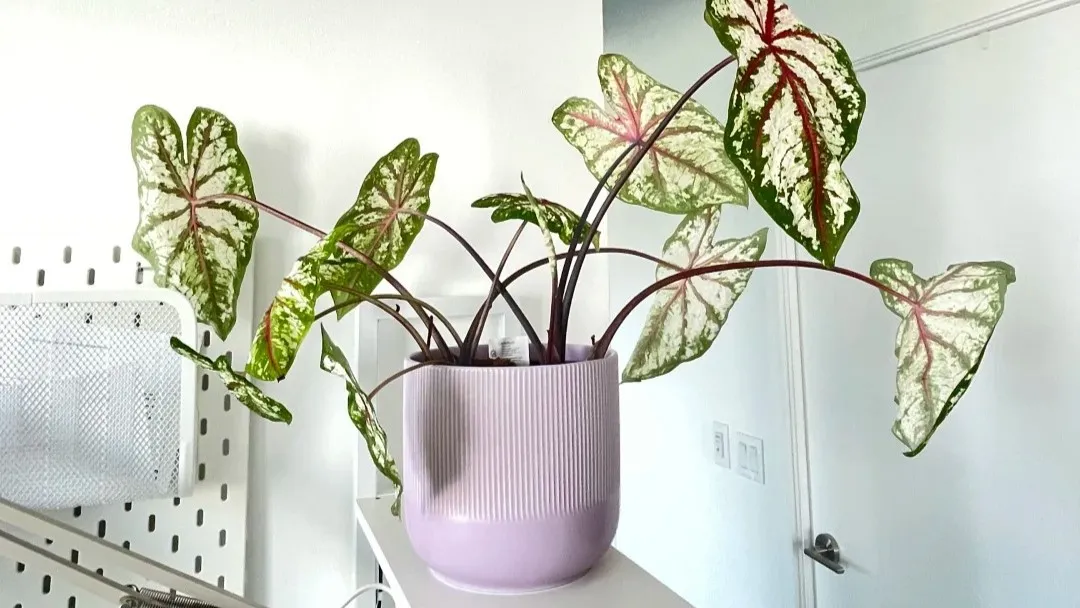
Caladium Leaves Drooping? How to Tell What’s Normal — and What Needs Attention
Drooping leaves can signal stress, but they don’t always mean failure. This breaks down which changes I waited out — and which ones needed action.
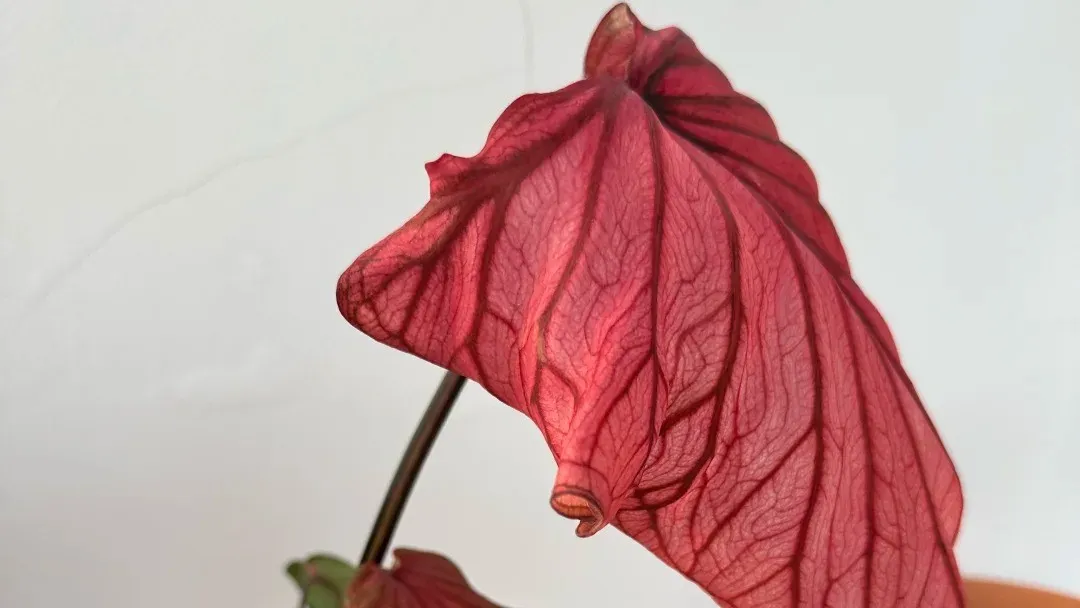
Caladium Leaves Curling Down — Is It a Problem?
Curling downward doesn’t always mean something is wrong. In my indoor setup, the cause depended more on timing and conditions than I first assumed.
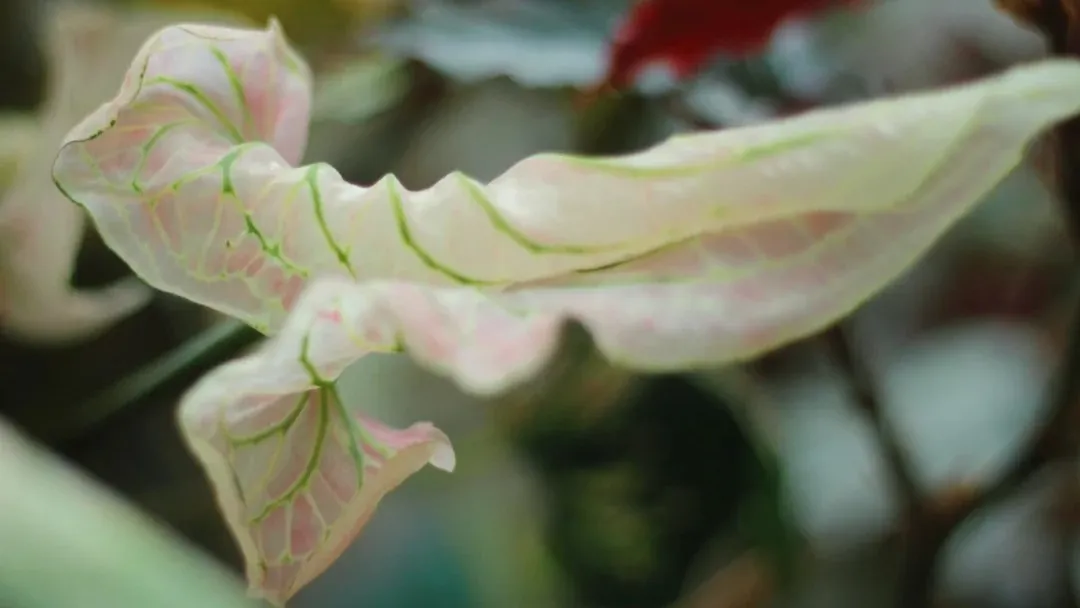
New Caladium Leaves Stay Curled and Won’t Open? Here’s Why
New caladium leaves that stay curled are usually reacting to light, moisture, or temperature shifts rather than being permanently stuck.
Growth & Dormancy Issues
Caladiums don’t grow on a steady timeline, especially indoors. Sometimes they pause completely. Other times they look active but never seem to get bigger.
I’ve mistaken dormancy for failure more than once — and intervened when I probably shouldn’t have. This section covers slow growth, stalled plants, delayed sprouting, and dormancy confusion, with a focus on how caladiums behaved across seasons rather than fixed expectations.
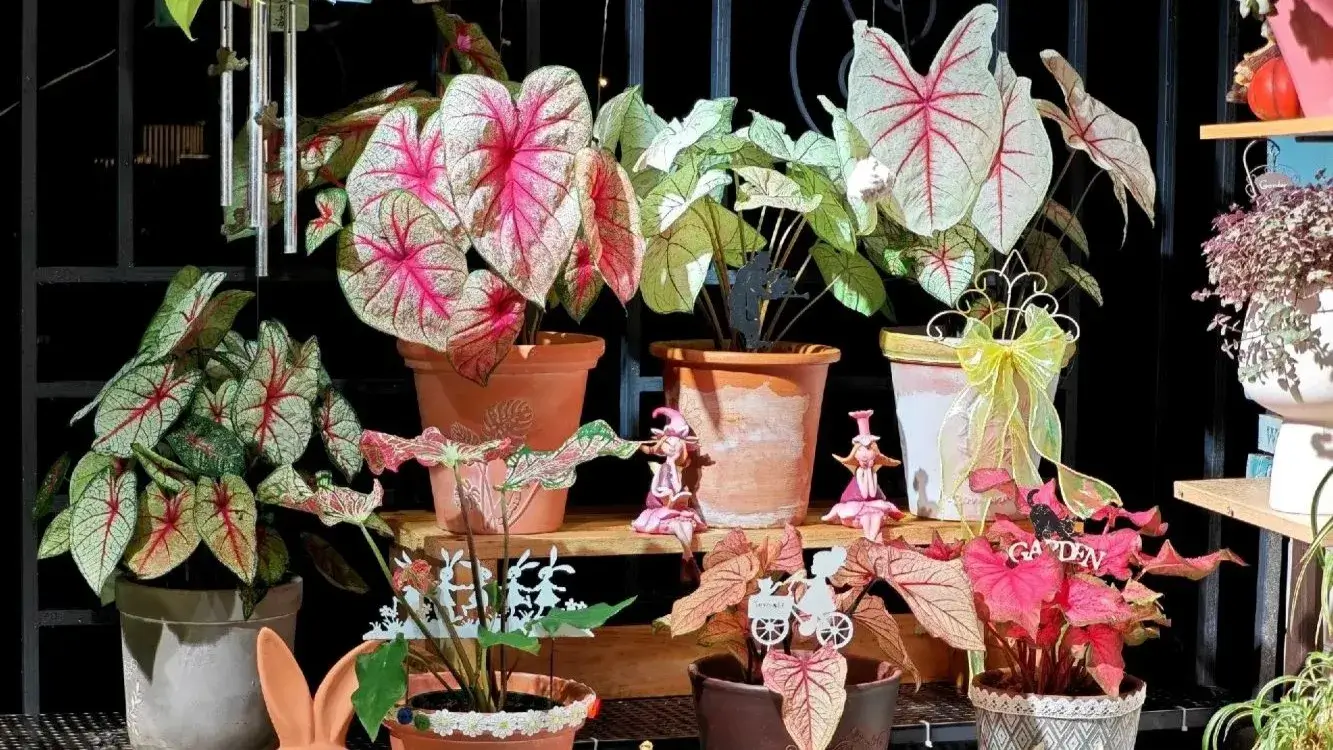
Caladium Not Growing? Why New Leaves Don’t Mean Real Growth
New leaves kept appearing, but the plant wasn’t getting bigger. This article looks at what “growth” really means in caladiums — and when it’s misleading.
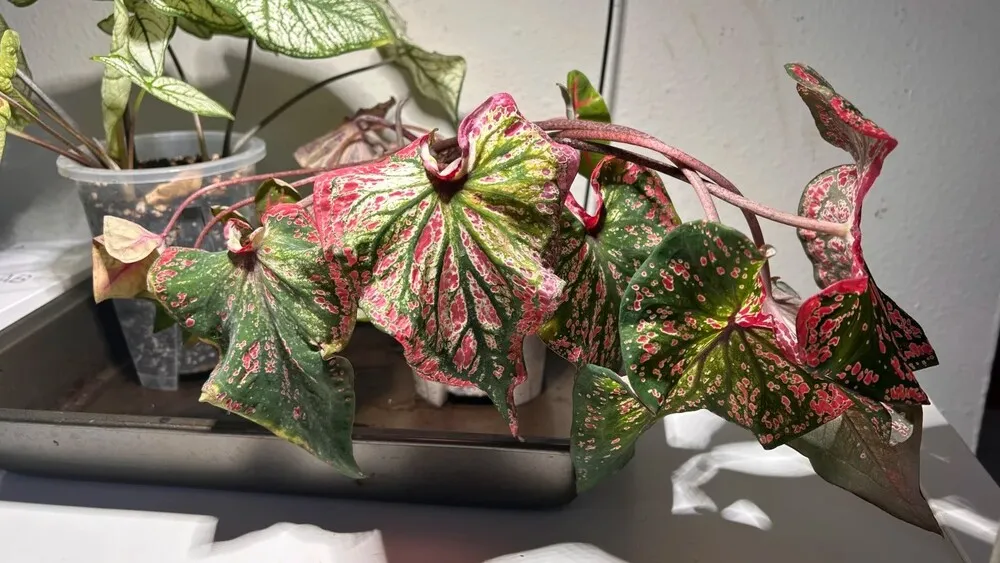
Is My Caladium Dying? How to Tell When Waiting Is No Longer Safe
Sometimes waiting helps. Sometimes it makes things worse. This guide focuses on the moment I stopped waiting — and how I learned to recognize that line.
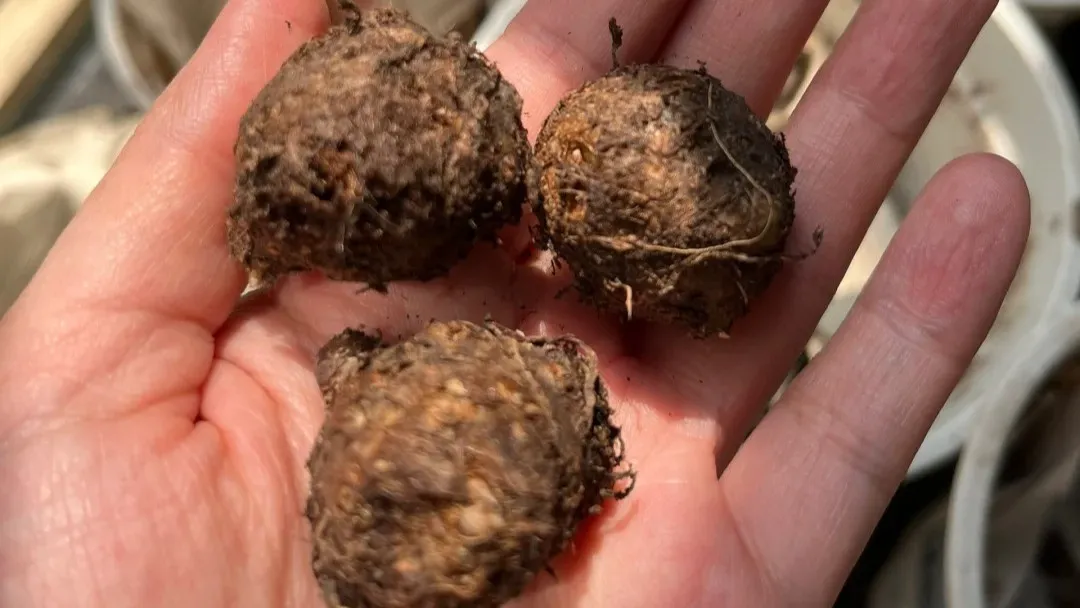
How to Winter Over Caladiums Indoors (Even If Your House Is Still Warm)
Learn how I store and rest caladium tubers indoors during winter, even when the house never gets truly cold.
Caladium Bulb Problems
Bulbs are easy to overlook because they stay hidden — until something goes wrong.
This section focuses on issues like bulbs that don’t sprout, soften, shrink, or rot during storage or early growth. Instead of assuming a bulb is “dead,” I break down what signs mattered, what didn’t, and when waiting was the better choice.
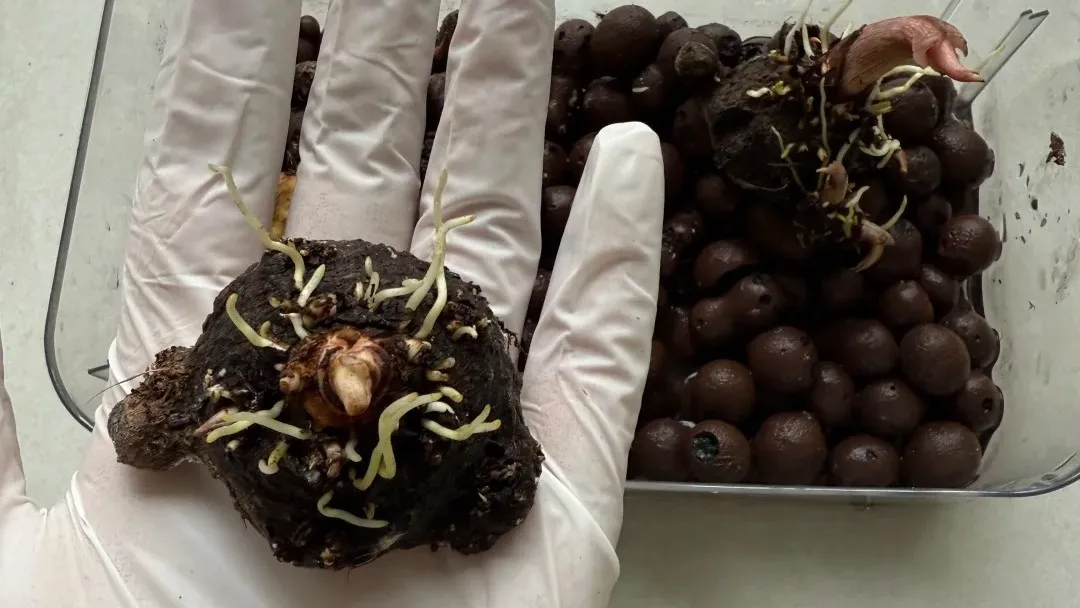
Caladium Bulb Not Sprouting After Weeks? Here’s What Finally Saved Mine
After weeks of nothing happening, I had to decide whether to wait or intervene. This shares what actually helped — and what didn’t.
Pests, Toxicity & External Factors
Not every problem comes from care mistakes. Sometimes it’s pests, curious pets, accidental exposure, or environmental stress you didn’t plan for.
These guides cover the less frequent — but still important — issues like spider mites, pet safety concerns, and external damage. They’re here so you know what to watch for, even if you’ve never dealt with these problems before.
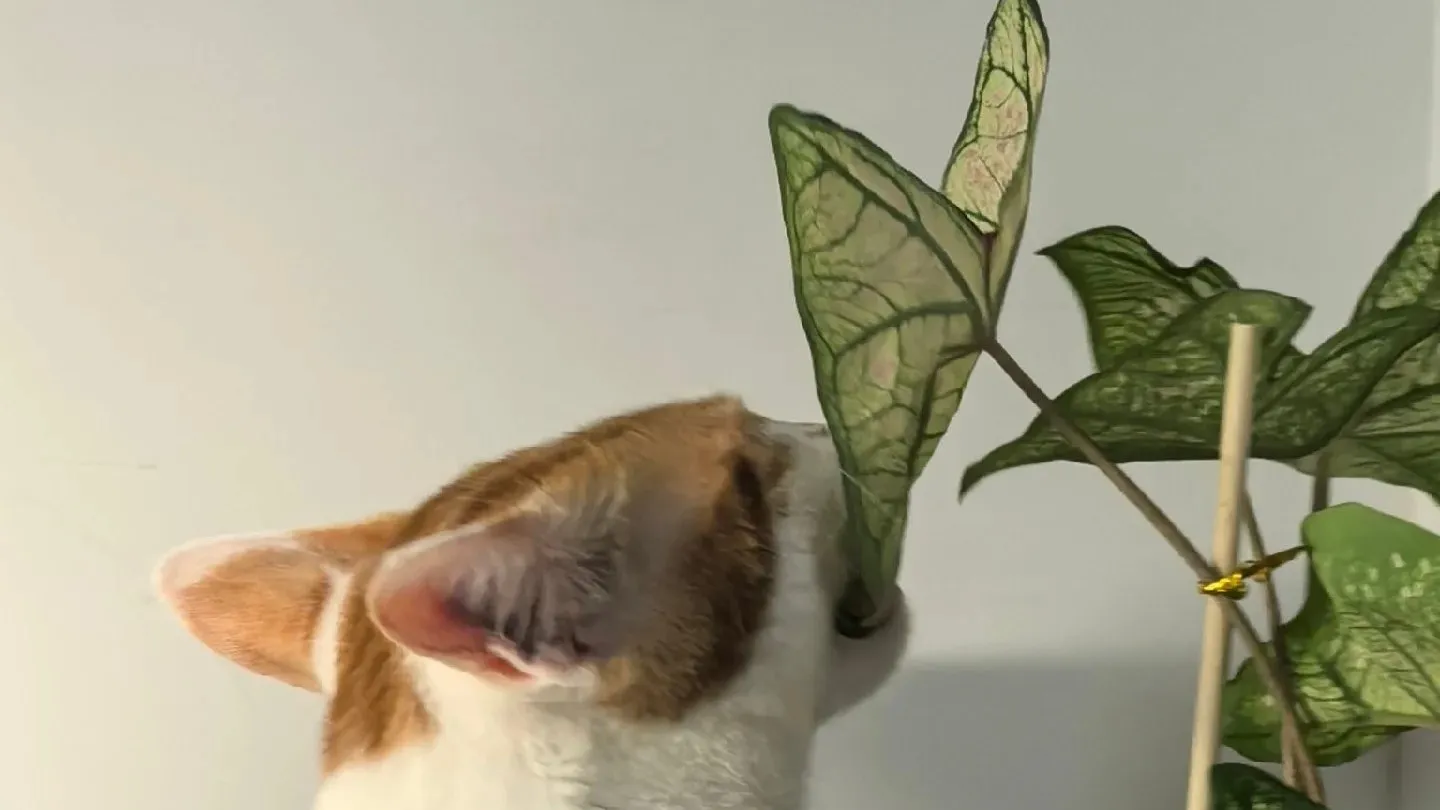
Is Caladium Toxic? What I Learned After an Aquarium Accident
Caladium is considered toxic, but the real risk depends on how exposure happens. After an unexpected incident involving my fish, I looked more closely at what it means for cats, dogs, and people.
FAQ
Short answers to common caladium problem questions — especially the ones that don’t need a full article, but still cause confusion for indoor growers.
They often show up when watering doesn’t match the plant’s growth stage, when roots are stressed, or when the plant is naturally slowing down. One yellow leaf doesn’t always mean something is wrong — patterns matter more than single leaves.
I’ve had brown edges caused by inconsistent moisture, compacted soil, and even light stress — not just dry soil. Browning tells you the leaf is struggling, but it doesn’t automatically explain why. Checking roots and recent changes usually gives clearer answers than watering more right away.
Dormant caladiums usually stop producing new growth but don’t collapse overnight. Leaves may fade gradually, and the bulb stays firm. If growth has slowed without obvious damage or rot, dormancy is often the explanation — especially indoors or during seasonal transitions.
I’ve saved bulbs when rot was caught early and removed cleanly. Once the entire bulb turns soft or smells off, recovery is unlikely. That’s why I now check bulbs gently instead of waiting for leaves to tell the full story.
Indoors, problems tend to develop more slowly and less dramatically. Light stress, airflow issues, and delayed dormancy are far more common than sudden collapse. Most of the issues on this page are based on indoor container growing, where signals are subtle but consistent.
If a leaf is actively deteriorating or collapsing, I remove it. If it’s slowly fading, I often wait. In several cases, cutting too early didn’t help the plant at all — it just made things look cleaner. The decision depends on whether the leaf is draining energy or finishing its cycle.