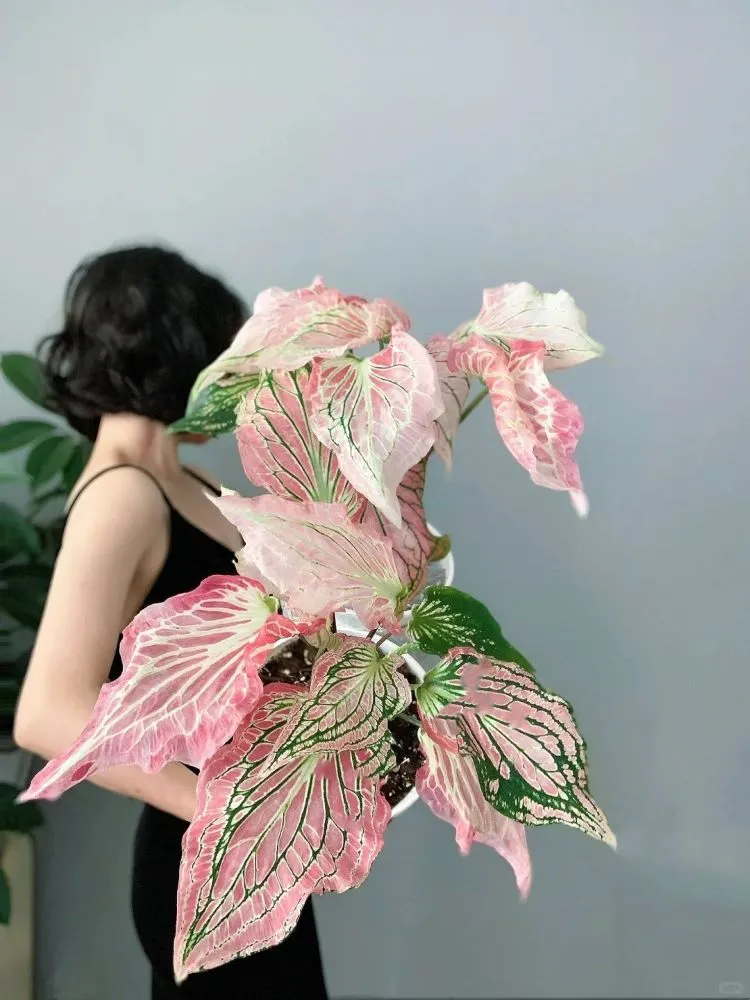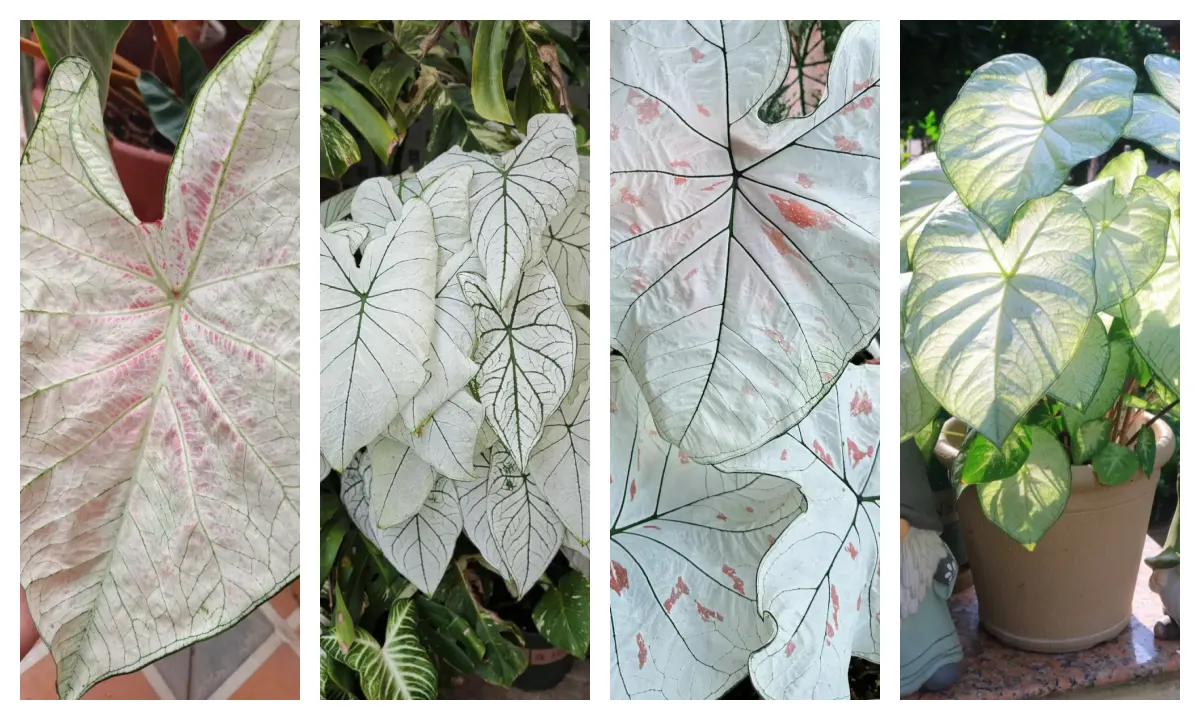
When my White Christmas caladium first came home, it looked exactly the way I had imagined it would.
The leaves were pale and bright, almost glowing in the light. The white areas were clean and prominent, giving the whole plant that soft, airy look that makes this variety so appealing. Nothing appeared weak or stressed. The stems were upright, the foliage full, and there were no obvious signs that it needed immediate attention.
At that point, it felt like one of those plants that simply settles in — the kind you place on the shelf, admire for a while, and assume will continue growing quietly on its own.
I didn’t anticipate any major changes ahead. I certainly didn’t expect that, not long after, the older leaves would begin to collapse.
The First Problem I Noticed Wasn’t Color, It Was Collapse
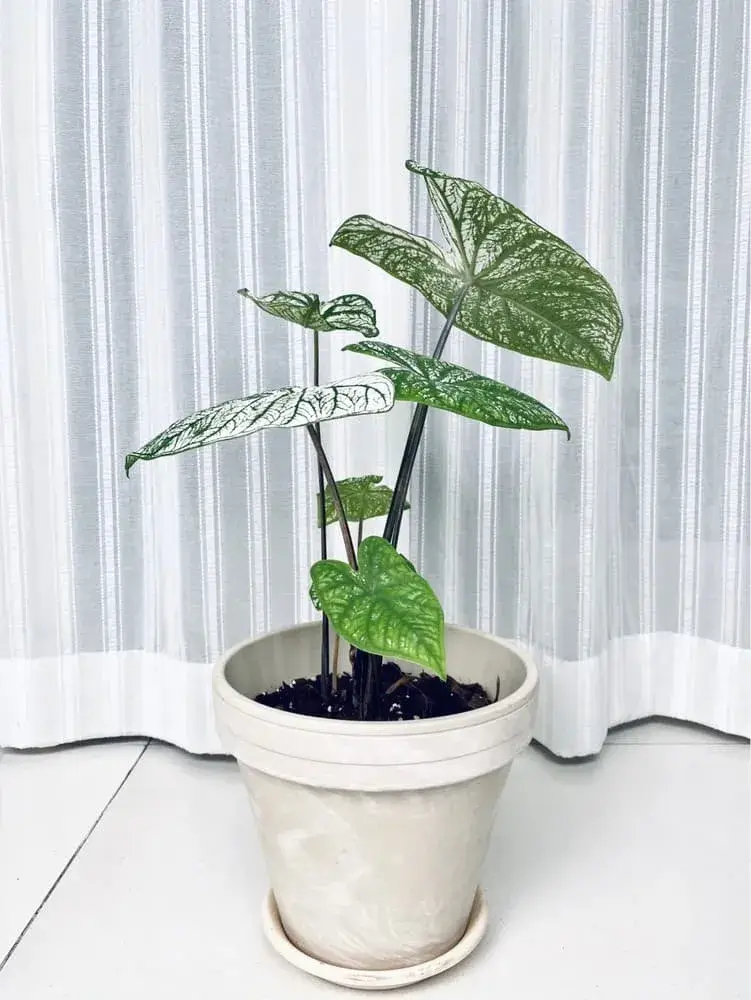
The first issue didn’t show up as a change in color.
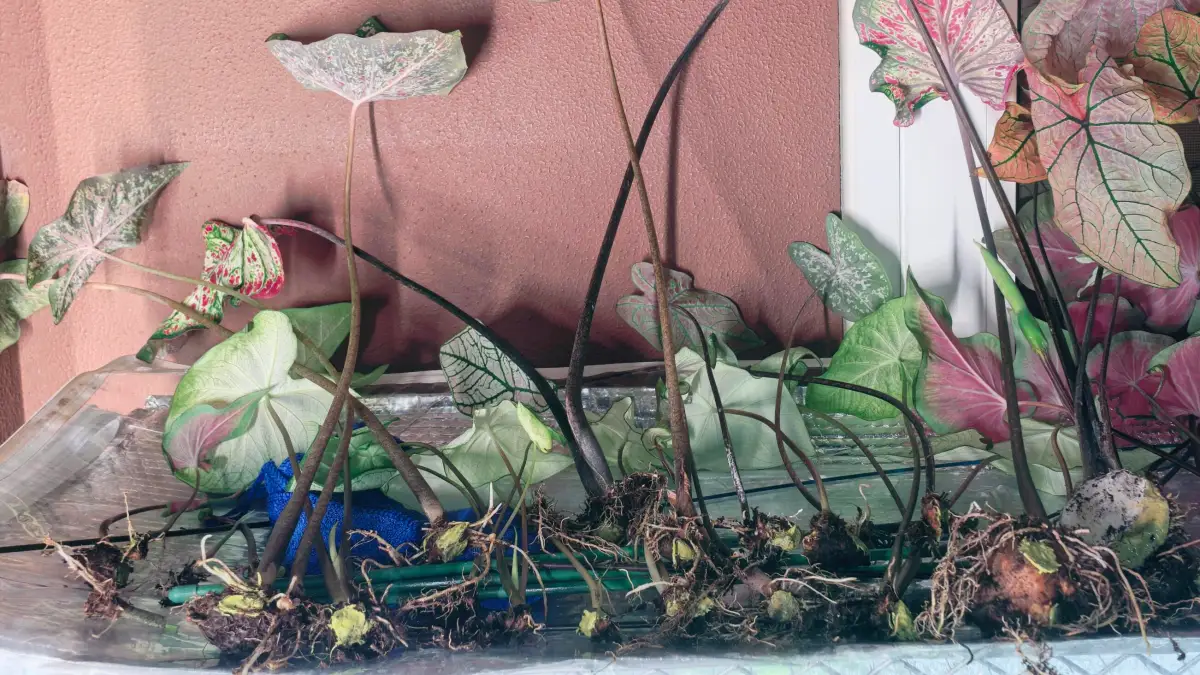
Instead, it was the structure that began to give way. The older leaves started leaning outward, then gradually bending down. The stems no longer felt firm or self-supporting, even though the leaves themselves were still pale and visually intact.
At first glance, it wasn’t dramatic. Nothing looked damaged or diseased. But the overall shape of the plant began to loosen, and it became harder to tell where new growth was actually heading. Energy seemed to be staying in the older foliage rather than pushing forward.
What concerned me wasn’t the appearance — plants don’t need to look tidy to be healthy. It was the sense that if I left things as they were, White Christmas might continue spending its resources on leaves that had already finished their best work, instead of redirecting that energy into new growth.
That was the moment I realized this wasn’t a cosmetic issue. It was a structural one, and it required a decision.
Why I Decided to Cut It Back
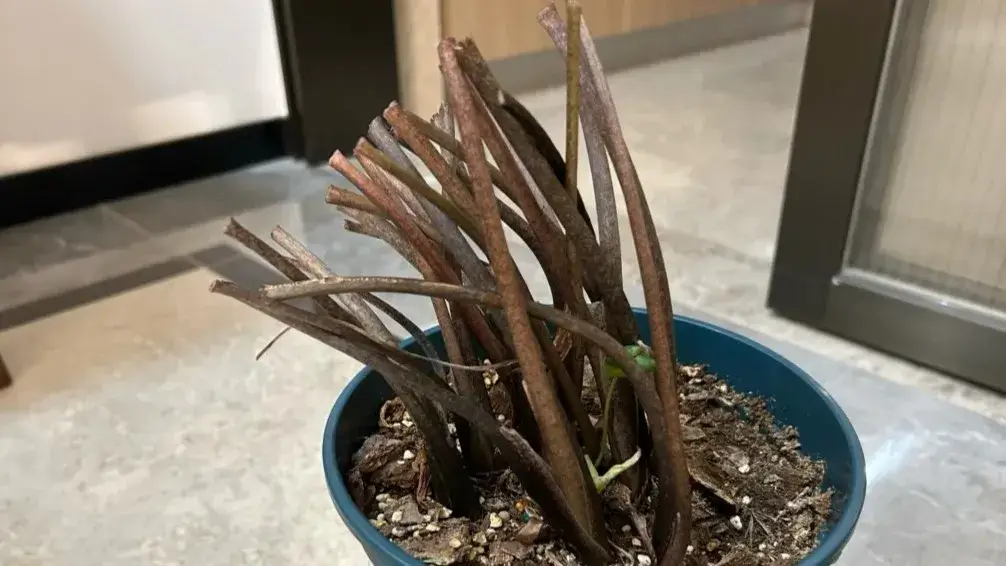
Cutting the plant back wasn’t about making it look better.
If anything, it made the plant look worse at first. Fewer leaves, less presence, and a much emptier silhouette. But visually fixing the plant was never the goal. What I wanted was to change how its energy was being used.
By that point, it felt like White Christmas was holding on to older leaves that no longer contributed much to forward growth. They were still alive, still consuming resources, but not helping the plant move in any clear direction. Leaving them in place meant accepting slow, unfocused growth — or possibly no meaningful progress at all.
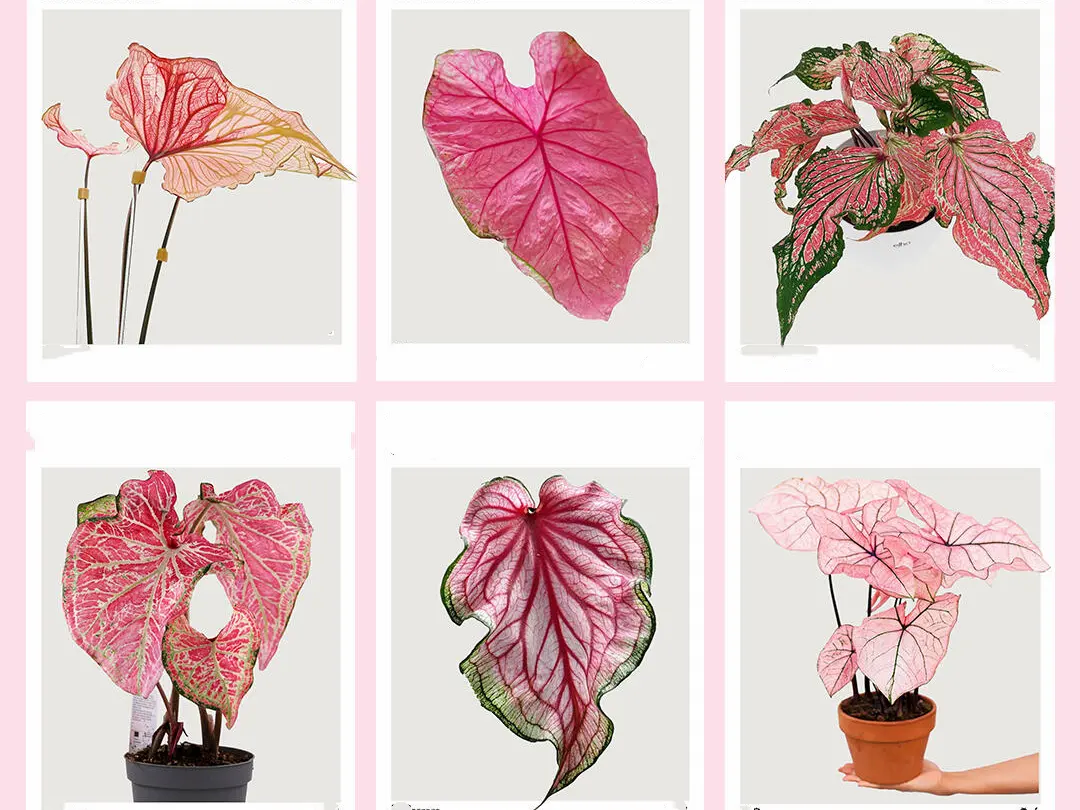
I had seen a similar pattern before with my Pink Symphony. In that case, cutting it back had allowed the plant to reset and push out new leaves more decisively. That experience didn’t guarantee the same outcome here, but it gave me enough confidence to test the idea again.
So I cut it back, knowing that this wasn’t a cosmetic choice. It was a way to see whether White Christmas would respond by redirecting its energy rather than stalling.
About two weeks later, the response became clear.
New leaves began to emerge — not one or two, but six in total over a relatively short span of time. I didn’t see this as a “success,” but as confirmation. The plant wasn’t struggling to survive; it had simply been waiting for the chance to grow forward again.
The New Leaves Started Green, Then Slowly Turned White
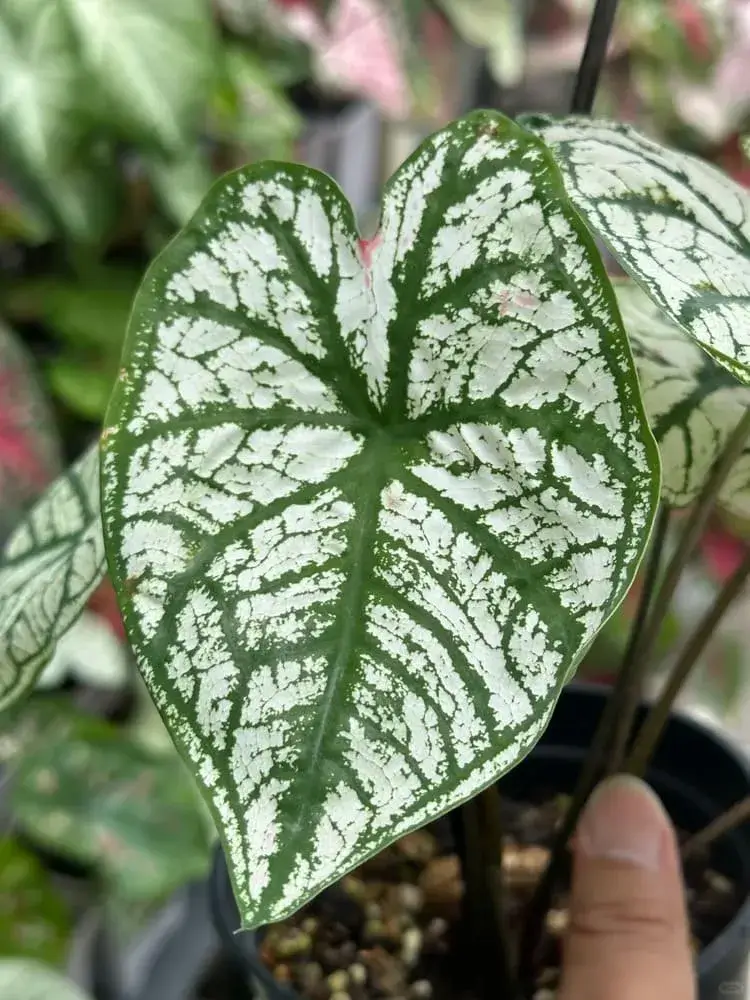
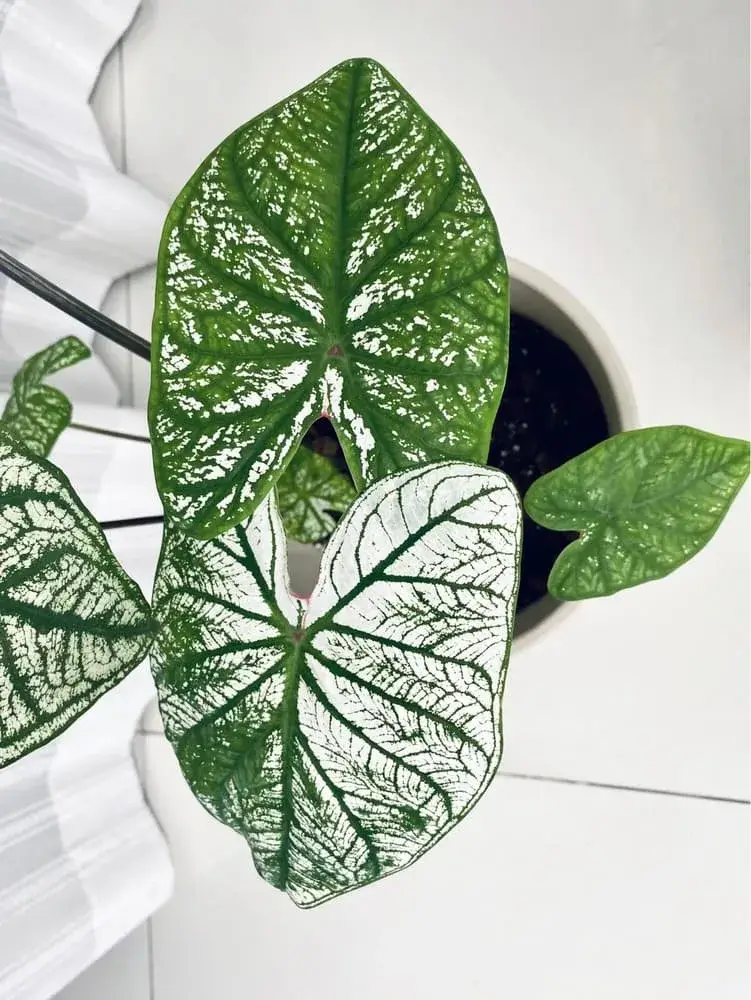
The first new leaves didn’t come out white.
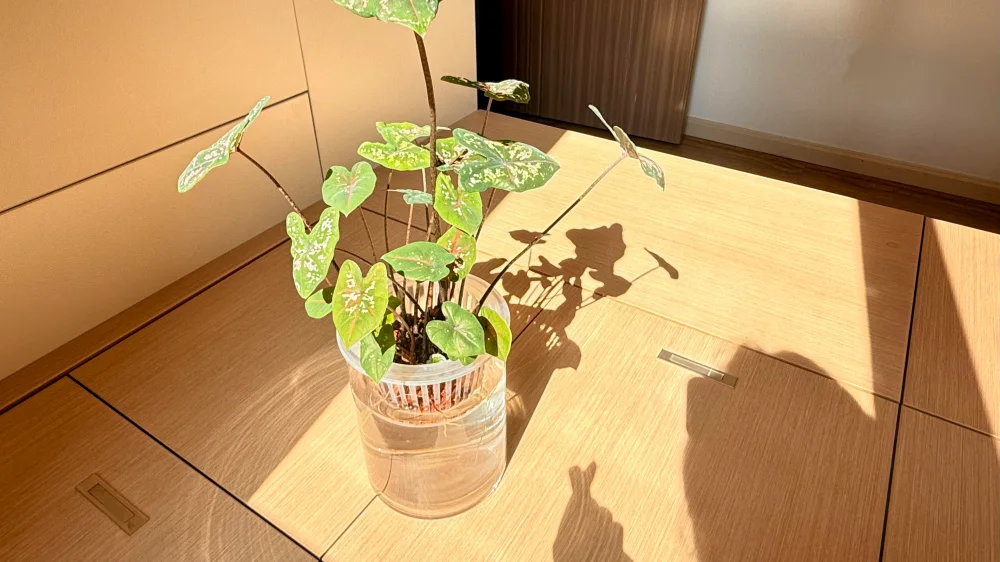
When they initially unfurled, they were noticeably greener than I expected. At a glance, they almost looked like they belonged to a different plant. If I had stopped observing there, it would have been easy to assume something was wrong — too much fertilizer, not enough light, or a permanent shift in color.
But I didn’t change anything right away.
As the days passed and the plant continued getting more sun, the leaves began to change. The green gradually faded, the white areas expanded, and the overall look softened. With each passing day, the foliage became lighter and more translucent, losing that early heaviness and taking on the airy, almost glowing quality that White Christmas is known for.
That was when it clicked for me.
White Christmas isn’t naturally white from the moment a leaf appears. It becomes white over time — and light plays a much bigger role in that process than I had previously assumed.
Caladium really needs sun — not just for stronger stems, but for better color.
Seeing the transformation happen in real time made that impossible to ignore. The difference wasn’t subtle, and it wasn’t cosmetic. It was structural, visual, and gradual — a response, not a coincidence.
I Tested Full Sun on My Balcony, and It Didn’t Burn
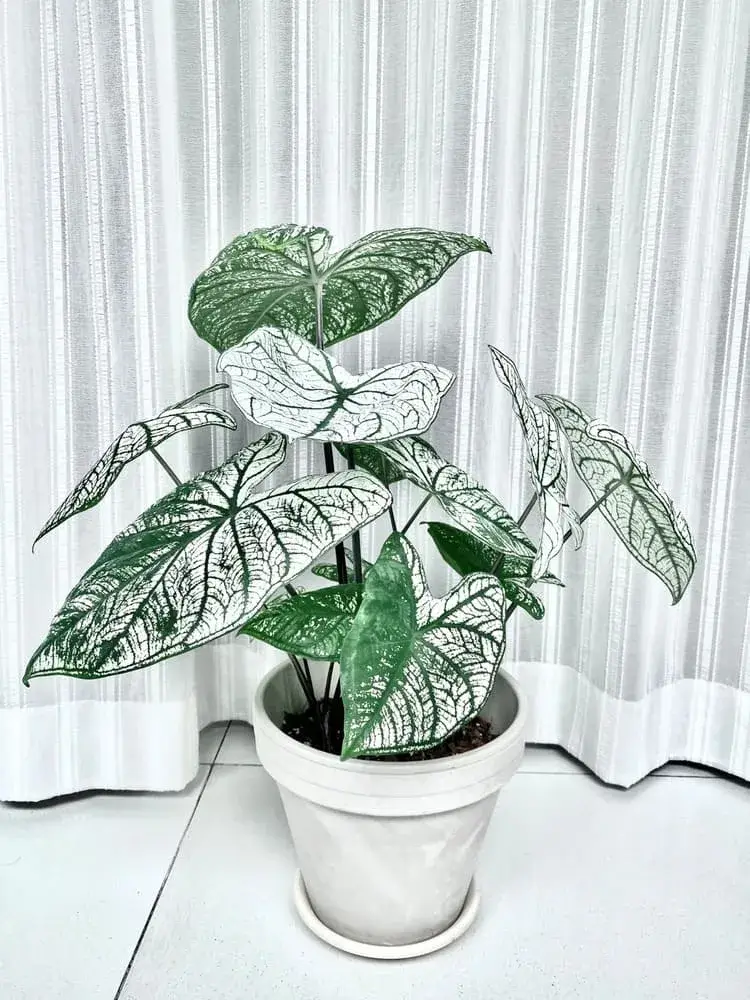
Because light was clearly affecting both structure and color, I decided to push it further.
I moved White Christmas to the brightest spot on my west-facing balcony — the place that receives the most direct sun in my space. On clear days, it was exposed to more than six hours of direct sunlight. This wasn’t filtered light or brief morning sun. It was sustained, open exposure.
What surprised me was not what happened, but what didn’t.
There was no burning. No scorched patches, no bleached edges, no signs of stress that care charts often warn about. Instead, the stems became thicker and noticeably more rigid. The plant held itself upright without support, and the overall form felt much more stable.
New leaves emerged fully white.
Compared to the foliage from a month earlier, the difference was obvious — not just in color, but in growth speed and confidence. The plant didn’t retreat from the sun. It responded to it.
This experience forced me to rethink an assumption I had taken for granted. White Christmas isn’t as sun-shy as it’s often described. In fact, it seems far more sun-tolerant than many people expect — at least in conditions like mine.
My Actual Care Setup (What I’m Doing, Not What’s ‘Correct’)
This is simply what’s working in my space. It’s not a formula, and it’s not something I’d expect to translate perfectly to every environment. But within my conditions, these choices seem to support steady growth rather than constant adjustment.
Light
I prioritize sun over humidity. After seeing how strongly White Christmas responds to light, it became clear that brightness matters more than trying to maintain a consistently humid environment. I keep the plant where it receives the most sun and rotate the pot occasionally to keep growth balanced.
Water
I let the soil dry out completely before watering again. Because the mix drains so quickly, holding moisture in the pot has never been an issue. Watering thoroughly and then allowing a full dry-down has kept the roots responsive rather than stagnant.
Soil
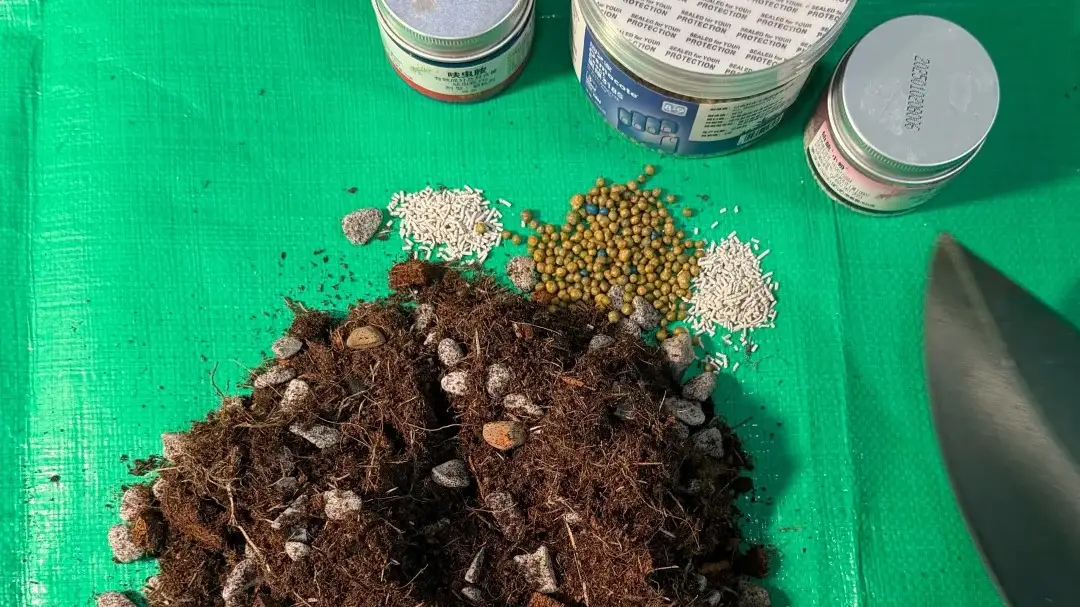
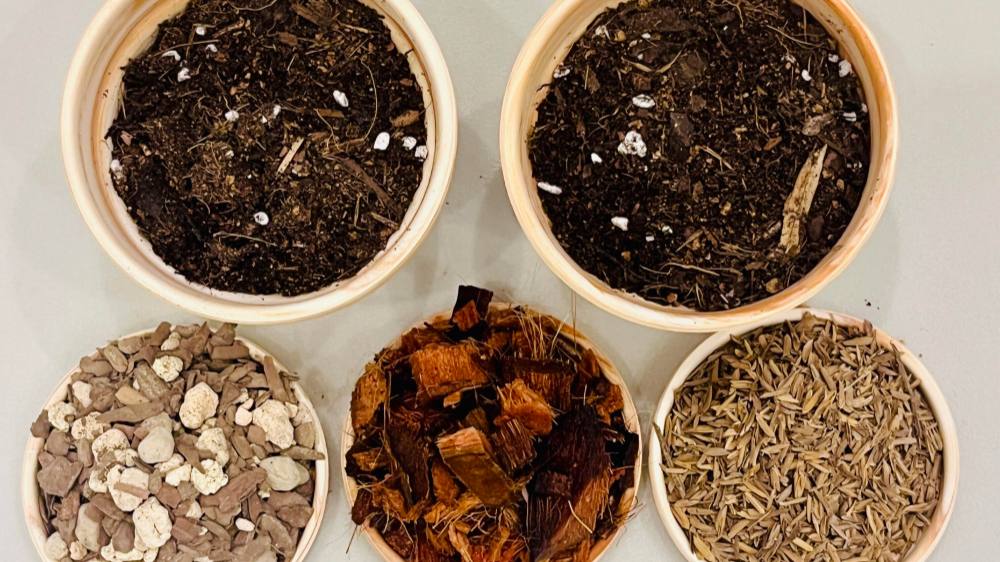
The potting mix is very open. I added a large amount of grit and coco coir to improve airflow and prevent compaction. This wasn’t about feeding the plant more — it was about giving the roots room to breathe so water could move through instead of lingering.
Fertilizer
I keep nitrogen on the lower side. Too much nitrogen tends to push greener growth, which isn’t what I’m aiming for with this variety. I use diluted water-soluble fertilizer at reduced strength and supplement with small amounts of organic fertilizer. I fertilize frequently, but lightly, and I’ve recently added a root-supporting nutrient solution a couple of times.
Humidity
This was one of the bigger surprises. The plant sits on the front row of my plant shelf, exposed to airflow and direct sun, with average humidity around 50%. Despite that, it has shown no signs of stress. For White Christmas, humidity has mattered far less than I expected.
Temperature
So far, it has continued growing in temperatures up to around 32°C (90°F). I haven’t tested how it behaves in cooler conditions yet. That will likely be a separate learning curve, and I’m planning to observe how it responds once winter arrives.
When White Christmas Turns Green Again
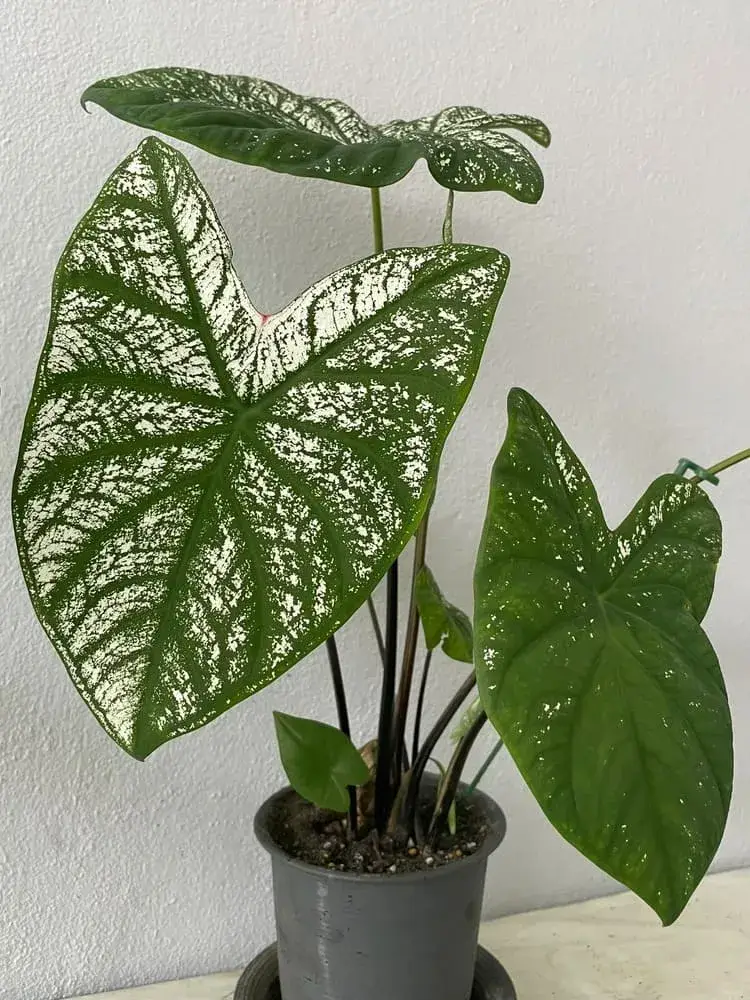
For a while, the leaves stayed consistently white.
Then the color began to shift.
What had once been pale and bright started looking yellow-green. The surface of the leaves lost some of that smooth, airy quality and became slightly wrinkled. At first, the change was subtle — easy to overlook if I hadn’t been paying close attention. But compared to earlier growth, it was clearly different.
I came across several explanations while trying to make sense of it. Hot weather. Insufficient light. Too much nitrogen or the use of balanced fertilizer. All of them sounded plausible, and none of them felt definitive on their own.
So instead of reacting immediately, I adjusted one variable at a time.
During a stretch of overcast, rainy days, I added a grow light to compensate for the lack of sun. At the same time, I reduced how often I fertilized, keeping inputs lighter and more spaced out. I didn’t try to “fix” the existing leaves. I waited to see how the next ones would respond.
The new growth told me what I needed to know.
Fresh leaves emerged with normal structure and returned to a much cleaner white. The earlier yellow-green tones didn’t carry over, and the texture smoothed out again. Nothing dramatic changed overnight — but the direction was corrected.
That experience reminded me how easily assumptions can drift. White Christmas doesn’t stay white automatically. Its color reflects a balance between light and nutrients, and when that balance shifts, the plant shows it — quietly, but clearly.
Yellow Leaves: What I Don’t Panic About Anymore
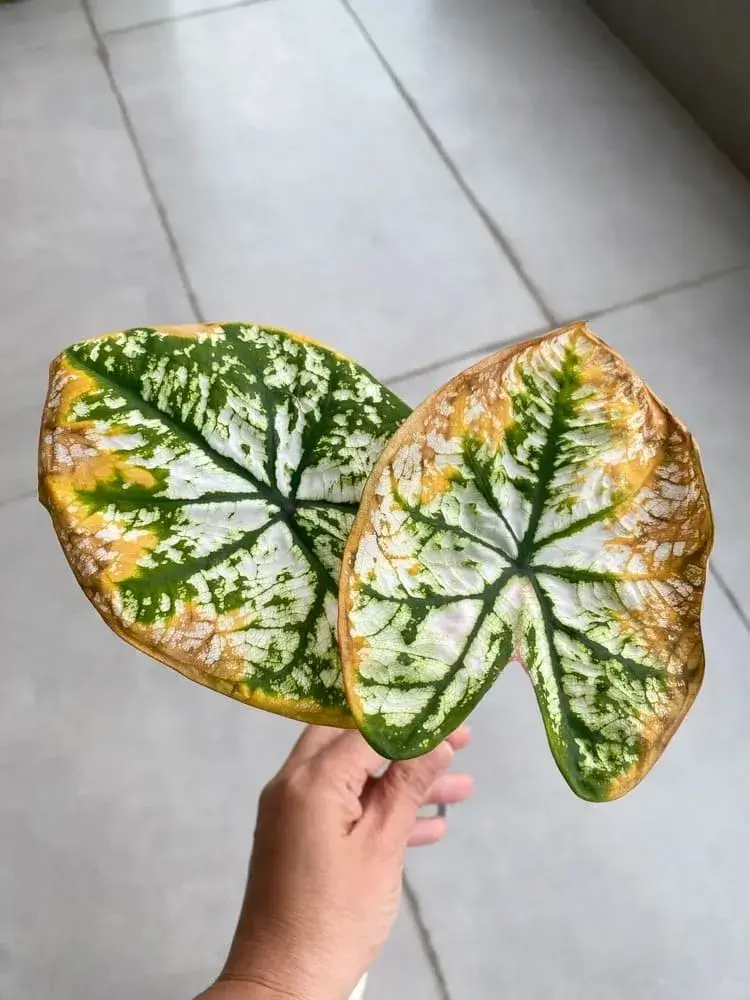
Yellow leaves still show up from time to time.
At this point, I don’t automatically read them as a problem. With White Christmas, yellowing can simply be part of the plant’s own cycle — older leaves being phased out as energy shifts to new growth. In other cases, it can be related to sun exposure or temporary root stress when conditions change too quickly.
What matters more to me now is context. Is the plant actively growing? Are new leaves emerging with good structure and color? If the answer is yes, a few yellow leaves don’t feel urgent anymore.
I’ve written more about yellowing leaves separately, including how to tell the difference between natural aging and actual stress. That perspective has helped me stay focused on overall direction rather than reacting to every visual change.
What This Experience Changed About How I See White Christmas
This experience changed how I think about White Christmas.
I no longer see it as a fragile white variety that needs to be protected from every variable. Instead, it behaves more like a plant that responds clearly when conditions make sense — one that wants light, adjusts on its own, and isn’t nearly as dependent on high humidity as I once assumed.
What it does seem to need is space to reset.
Allowing it to shed older growth, tolerate a period of imbalance, and then push forward again made all the difference. Once I stopped trying to keep it perfect at every stage, the plant became more stable, more confident, and far more predictable.
White Christmas doesn’t ask to be handled gently. It asks to be understood.
FAQ
Want to Explore Other Caladium Varieties?
Understanding caladiums starts with seeing how each variety behaves.
Browse All Caladium Varieties →