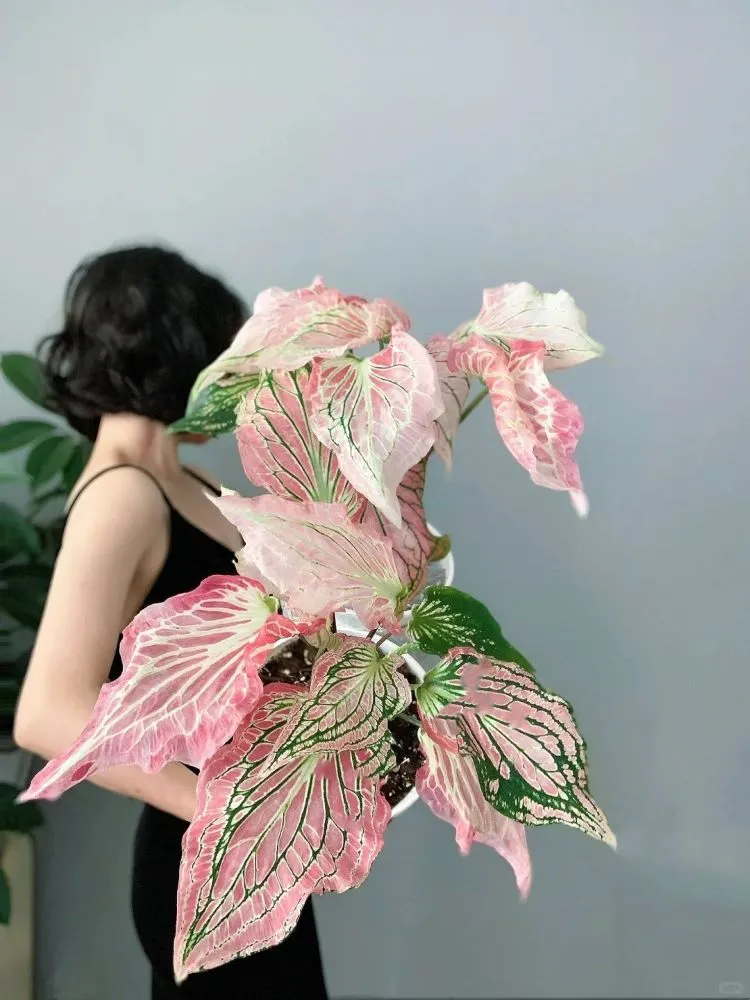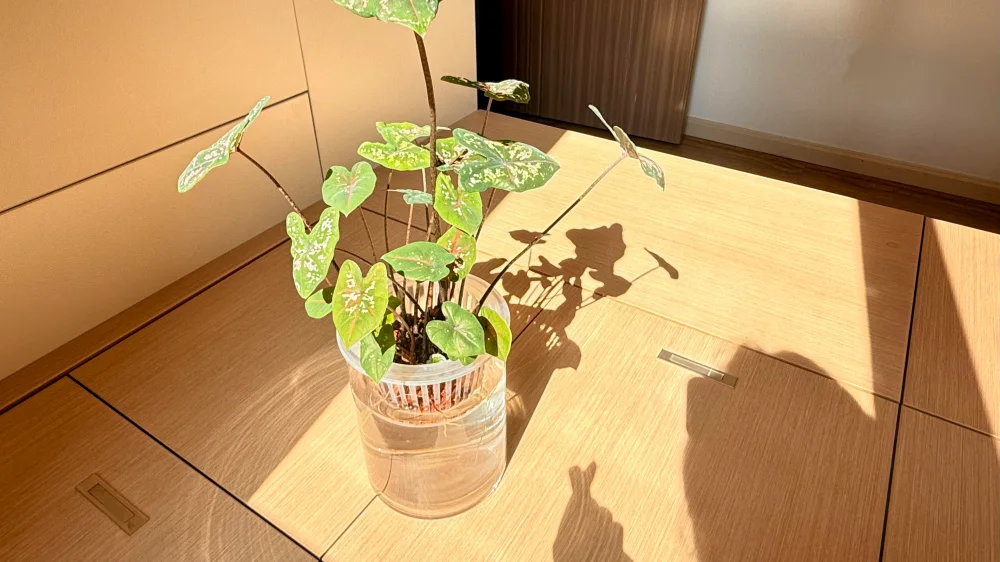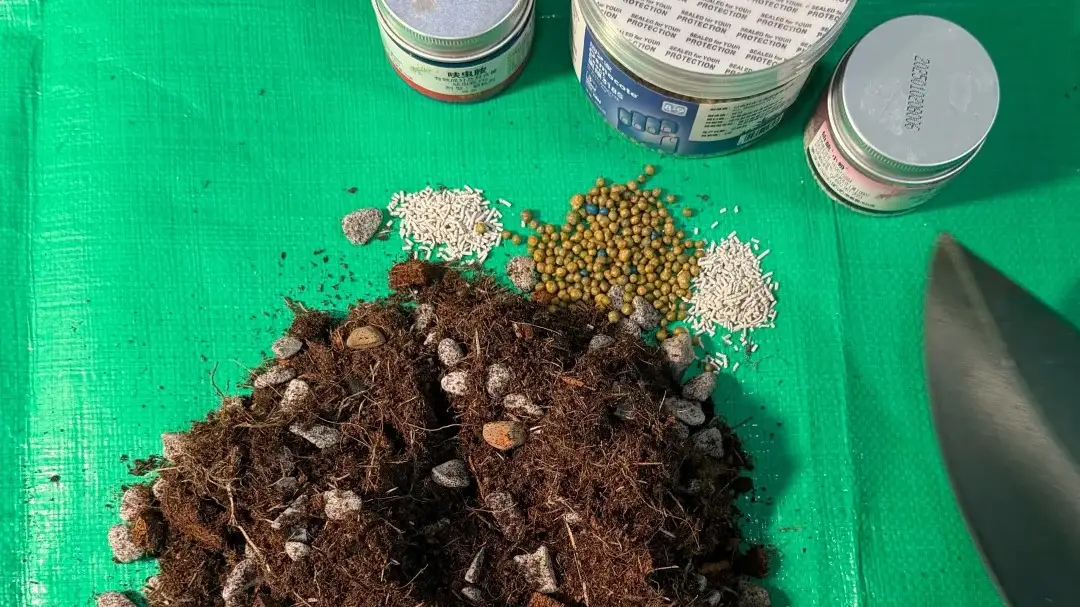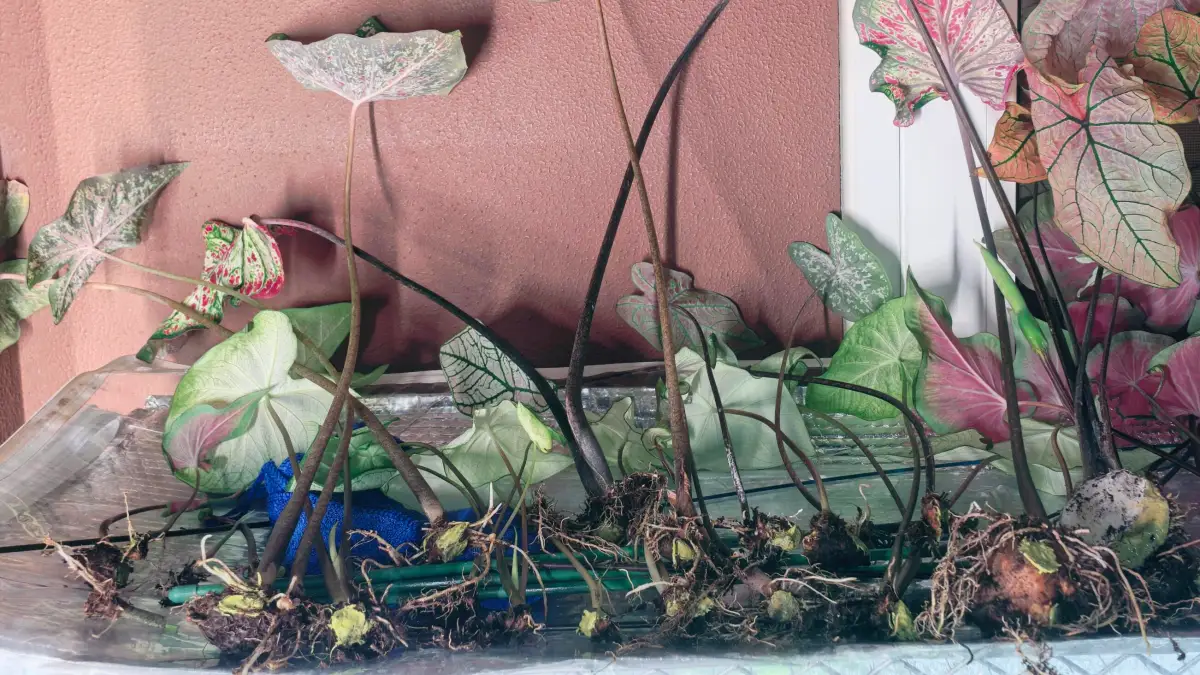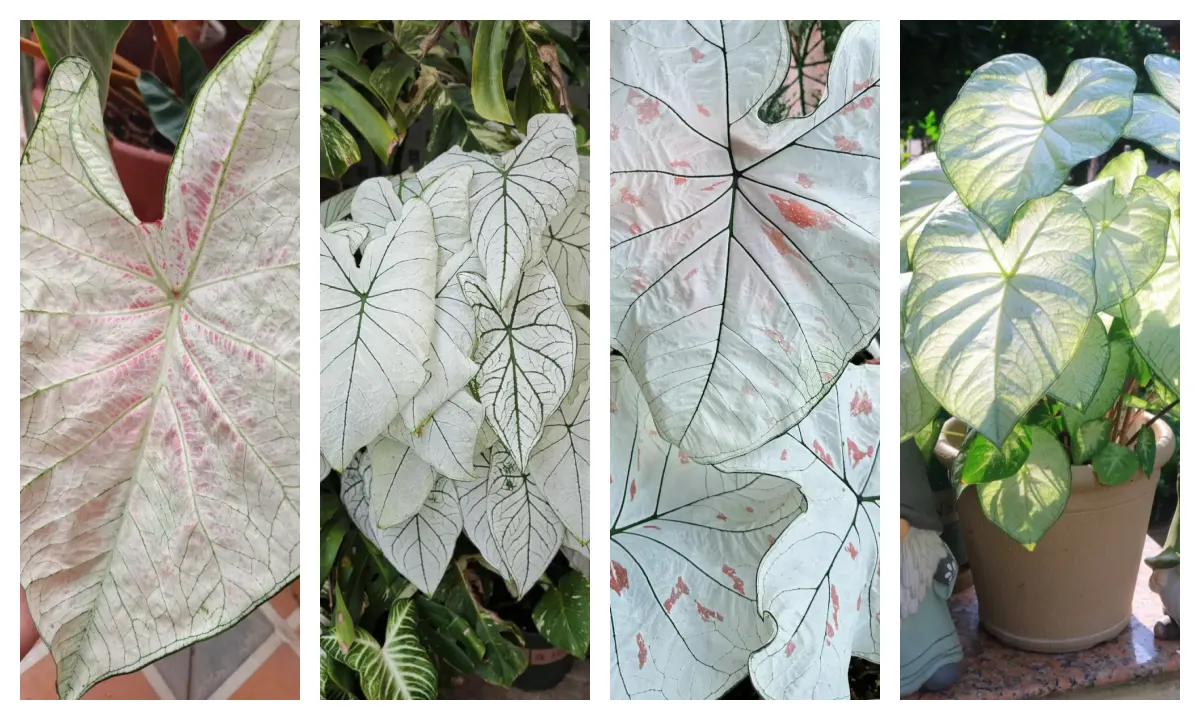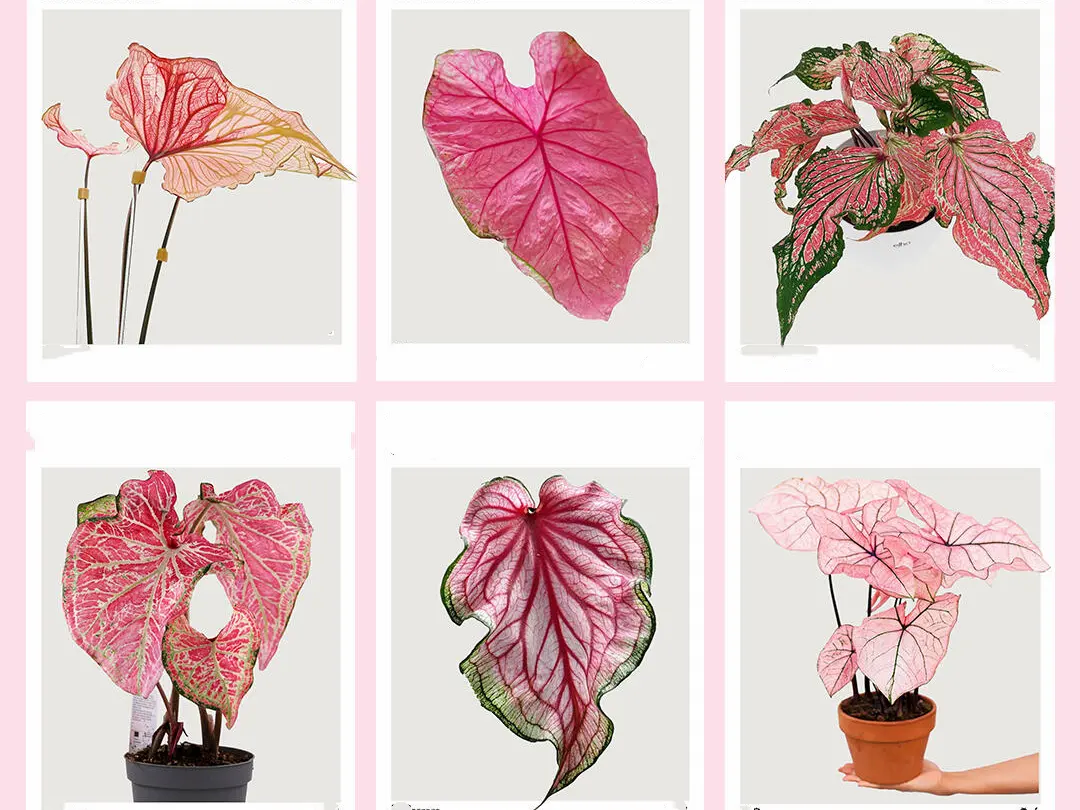
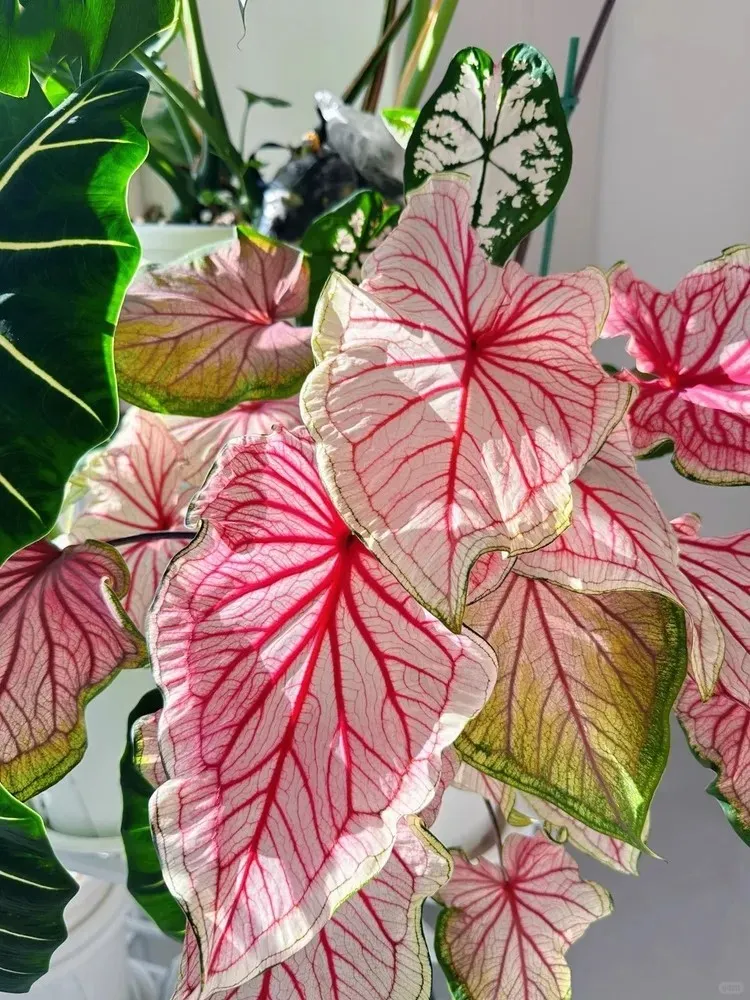
Caladiums are beautiful plants. The colors are striking, the leaves look soft and decorative, and because they’re so commonly sold as houseplants, it’s easy to assume they’re harmless.
I used to think the same.
That changed after a small incident at home. A very small piece of a caladium leaf fell into a nearby fish bowl. It didn’t seem like a big deal at first — just a leaf fragment in water. But within a short time, all the goldfish in that bowl died. Even the red ones lost their color before it was over.
That was the moment I realized something important:
caladium toxicity isn’t limited to chewing or swallowing.
This article isn’t meant to scare anyone away from growing caladiums. They are not rare, exotic poisons, and most people handle them without serious issues. But there are specific situations where caladiums can cause real harm — to pets, to aquatic life, and even to people with direct exposure.
The goal here is simple:
to explain when caladiums are actually dangerous, which parts carry the most risk, and what I’ve learned from real, first-hand experiences — so you can grow them with clearer boundaries instead of assumptions.
Is Caladium Toxic?
Yes. Caladiums are toxic.
All parts of the plant contain calcium oxalate crystals, which cause irritation when they come into contact with skin, the mouth, or other sensitive tissue. This is not a slow or hidden toxin — it works by immediate physical irritation, similar to tiny needles.
Caladium toxicity is not usually life-threatening, but it is very real. The effects depend on which part is involved, how it is exposed, and who or what is exposed to it.
It’s also important to understand that caladium toxicity is not limited to eating the plant. Broken tissue, sap, water contaminated by plant material, and even guttation droplets can cause problems under the right conditions.
So while caladiums are commonly sold and widely grown, they are not harmless. They are plants that require basic handling awareness and clear boundaries, especially when you’re working with bulbs indoors or animals.
Which Parts of a Caladium Are Toxic?
Leaves
Caladium leaves are toxic, but usually cause irritation rather than severe poisoning.
If chewed or damaged, the leaves release substances that irritate the mouth and throat. Most pets react quickly — drooling, pawing at the mouth, or vomiting — and stop chewing soon after. Leaves can also be a problem if they fall into water or release sap.
Stems
The stems (petioles) are also toxic, but typically slightly less irritating than the leaves.
They still contain the same irritating compounds, especially when cut or broken. Handling broken stems without protection can cause skin discomfort in sensitive people.
Tubers (Most Toxic)
Caladium tubers are the part I treat with the most caution when I’m handling bulbs indoors.
They contain a much higher concentration of irritating compounds, especially when fresh, damaged, or rotting. Direct handling, cutting, or chewing tubers poses a significantly higher risk than contact with leaves or stems.
If there is one part of the plant that should never be handled casually, it’s the tuber.
Real Incidents That Changed How I See Caladium Toxicity
A Leaf Fell Into My Fish Tank
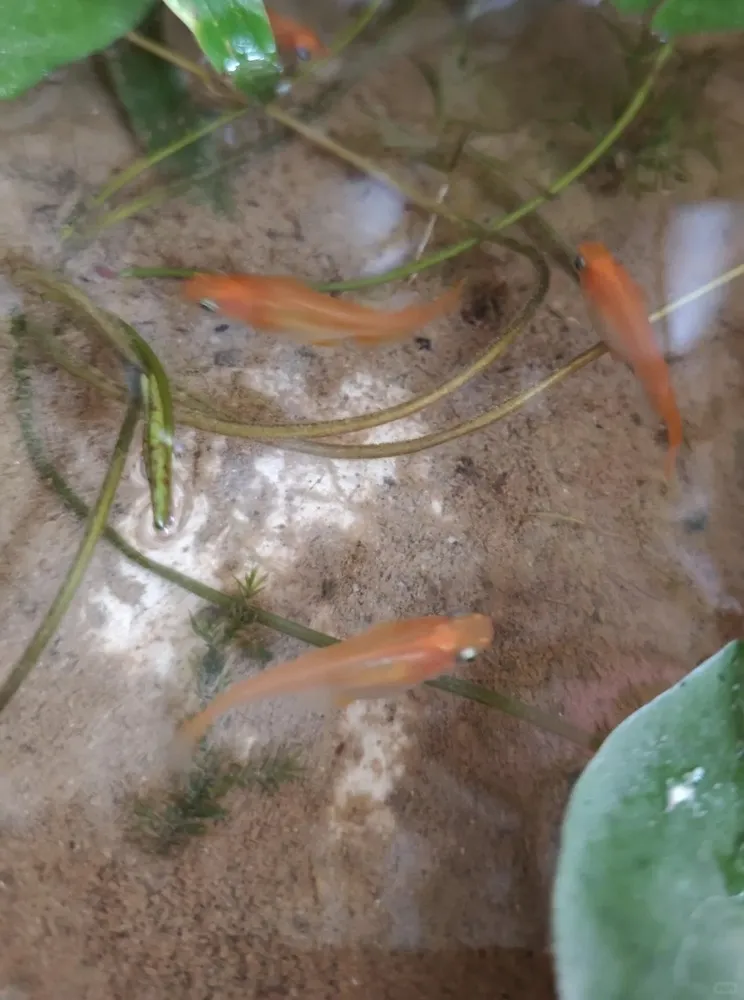
This was the first moment I realized caladium toxicity isn’t limited to chewing or swallowing.
A very small piece of caladium leaf fell into a nearby fish bowl. It didn’t look serious — just a leaf fragment in water. But within a short time, all the goldfish in the bowl died. Even the red fish visibly lost color before it was over.
The takeaway for me was clear: plant material alone can contaminate water enough to be fatal to fish. From that point on, I stopped treating caladiums as “safe as long as no one eats them,” especially around aquariums or open water containers.
Skin Reactions From a Rotting Tuber
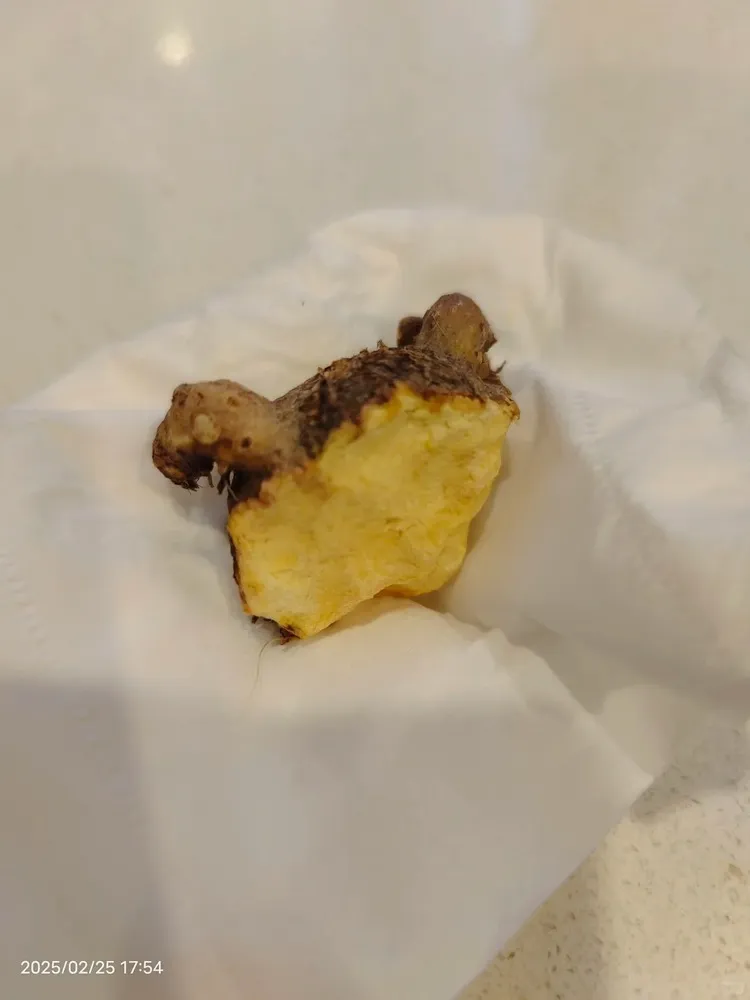
Another turning point came when I had to deal with a rotting caladium tuber.
I cut away the damaged portion by hand. Shortly after, my skin started reacting — itching, stinging, and redness. I later realized I had touched my neck and face without washing my hands, which made the reaction much worse.
This experience made one thing very clear: the tuber is far more irritating than the leaves. Handling damaged or rotting tubers without protection carries a much higher risk than routine leaf contact.
Guttation Causing Skin Irritation
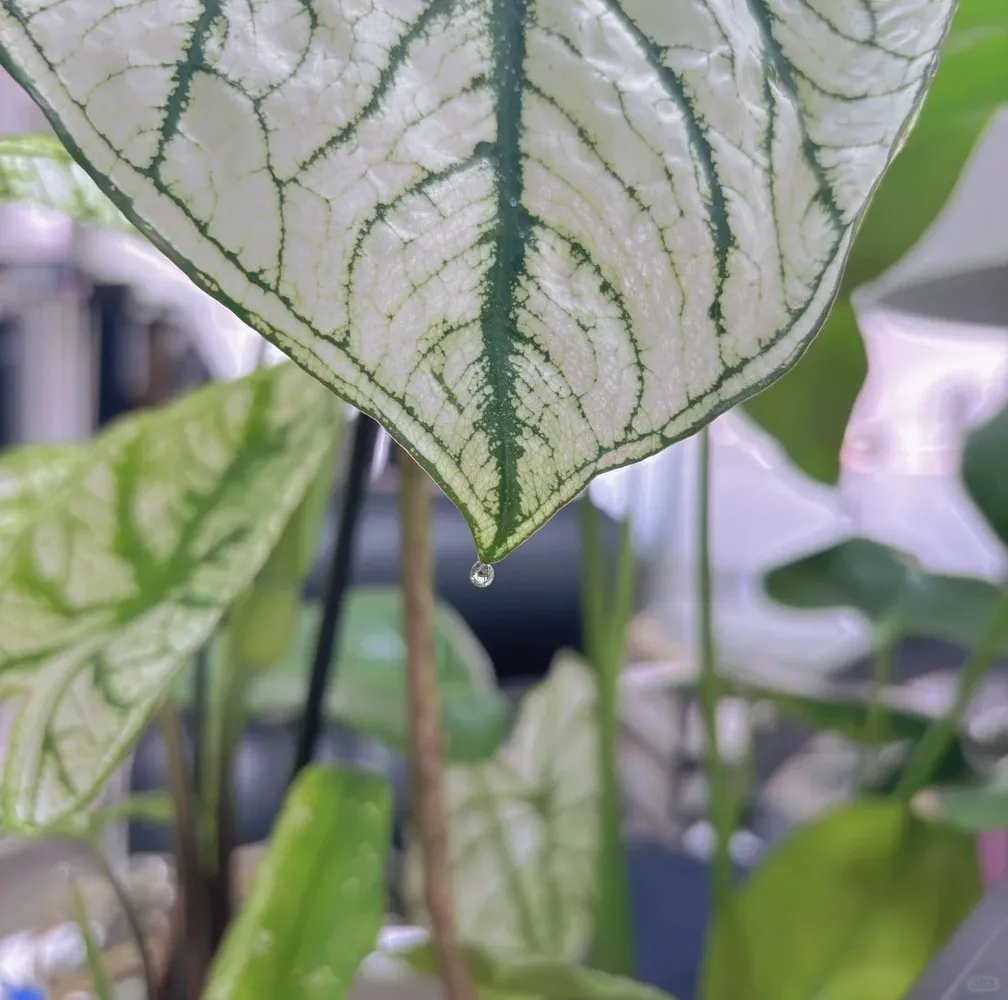
The last situation surprised me the most.
When caladiums release guttation droplets, I sometimes didn’t wipe them off immediately. During routine moving or adjusting, that moisture ended up on my arms and fingers. Within a short time, the skin started itching and stinging noticeably.
Since then, I’ve treated guttation water as something I don’t ignore. While it may look harmless, it can still irritate sensitive skin — especially with repeated contact.
These experiences didn’t make me stop growing caladiums.
They did, however, change how I handle them — and where I place them — especially around animals and water.
Is Caladium Toxic to Pets?
Yes. Caladiums are toxic to pets, but the risk level varies by animal type and exposure.
Cats and Dogs
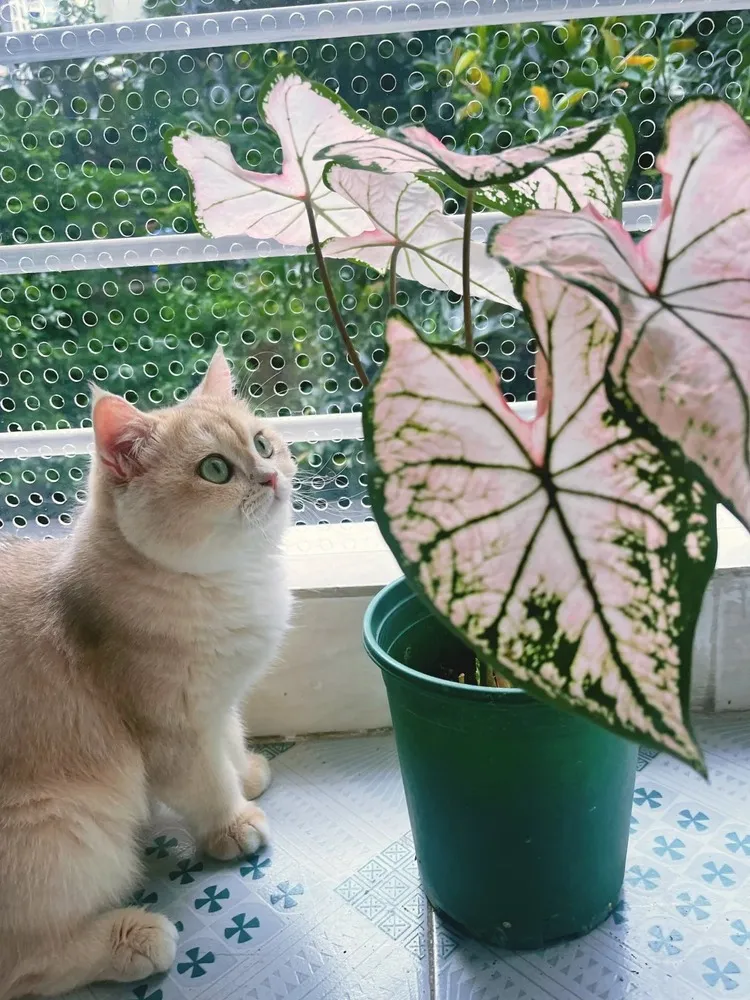
For cats and dogs, caladium toxicity is usually irritating rather than fatal.
If a pet chews on the leaves or stems, common reactions include:
- Drooling
- Pawing at the mouth
- Vomiting
- Temporary refusal to eat
Most pets stop chewing quickly because of the immediate discomfort. Serious outcomes are uncommon unless a large amount is eaten or the tuber is involved.
However, tubers pose a higher risk. Chewing or ingesting a tuber can cause stronger reactions and should be treated more seriously.
Small Animals (Rabbits, Hamsters, Guinea Pigs)
Small animals are at higher risk.
They are more likely to keep chewing despite irritation, and their smaller body size means they tolerate less exposure. Caladiums are not safe to keep within reach of rabbits, hamsters, or other small herbivores.
Fish and Aquatic Animals ⚠️
Fish are extremely sensitive.
Even small pieces of caladium leaf or plant residue in water can be dangerous. Caladium material can contaminate water enough to cause rapid and fatal effects in fish.
Caladiums should never be placed near:
- Aquariums
- Open fish bowls
- Containers that pets drink from
Is Caladium Dangerous to Humans?
For most people, caladiums are not dangerous with casual contact.
Touching the leaves, moving the pot, or routine care usually does not cause problems as long as the skin is intact and hands are washed afterward. This is why many people grow caladiums for years without noticing any issues.
However, caladiums can cause real irritation under specific conditions.
Skin reactions are more likely when:
- Plant tissue is cut, broken, or rotting
- Sap or moisture contacts sensitive skin
- Hands touch the face, neck, or eyes before washing
- The person has sensitive skin or allergies
In these cases, symptoms can include:
- Itching or burning sensation
- Redness or rash
- Tingling or stinging on contact areas
These reactions are usually temporary but can be intense, especially when exposure involves tubers or damaged plant material.
Caladium tubers deserve special caution. Handling, cutting, or cleaning tubers — particularly rotting ones — exposes the skin to a much higher concentration of irritants. This is when gloves and proper hand washing matter most.
Caladium guttation can also be overlooked. The moisture released from leaf tips may look harmless, but repeated contact can irritate sensitive skin, especially on the arms and hands.
In short, caladiums are not “dangerous” to humans in everyday handling, but they are not skin-neutral plants either. Awareness, basic protection, and hygiene are enough to prevent most problems.
How I Handle Caladiums Safely at Home
After these experiences, I didn’t stop growing caladiums. I just changed how I handle them.
Tubers
I avoid touching tubers with bare hands, especially if they’re damaged or rotting. When storing or cleaning tubers, I let the plant dry down first and always use gloves. Handling dry, inactive tubers is far less irritating than working with fresh or wet ones.
Pruning and maintenance
When cutting leaves or stems, I assume sap contact is possible. Gloves help, but washing hands immediately after pruning matters more. I avoid touching my face, neck, or eyes until my hands are clean.
Guttation
If I notice guttation droplets on leaf tips, I wipe them off. When moving plants, I pay attention to moisture on the leaves and avoid letting it sit on my skin. This small habit made a noticeable difference for me.
Placement
Caladiums stay away from aquariums, open water containers, and pet-accessible areas. I don’t place them where fallen leaves could drop into water or where animals might chew them out of curiosity. If you’re growing indoors, placement also affects how stable the plant stays — this is my setup for caladium grow light indoors.
Overall, I treat caladiums as plants that need boundaries, not fear. With basic awareness and a few consistent habits, they can be grown safely — without repeating the mistakes that taught me these lessons in the first place.
FAQ
Still not sure what your plant is telling you?
If yellowing, drooping, or root issues keep showing up across different plants, I’ve organized my real-world observations and fixes in one place.
Go to Problems Hub →