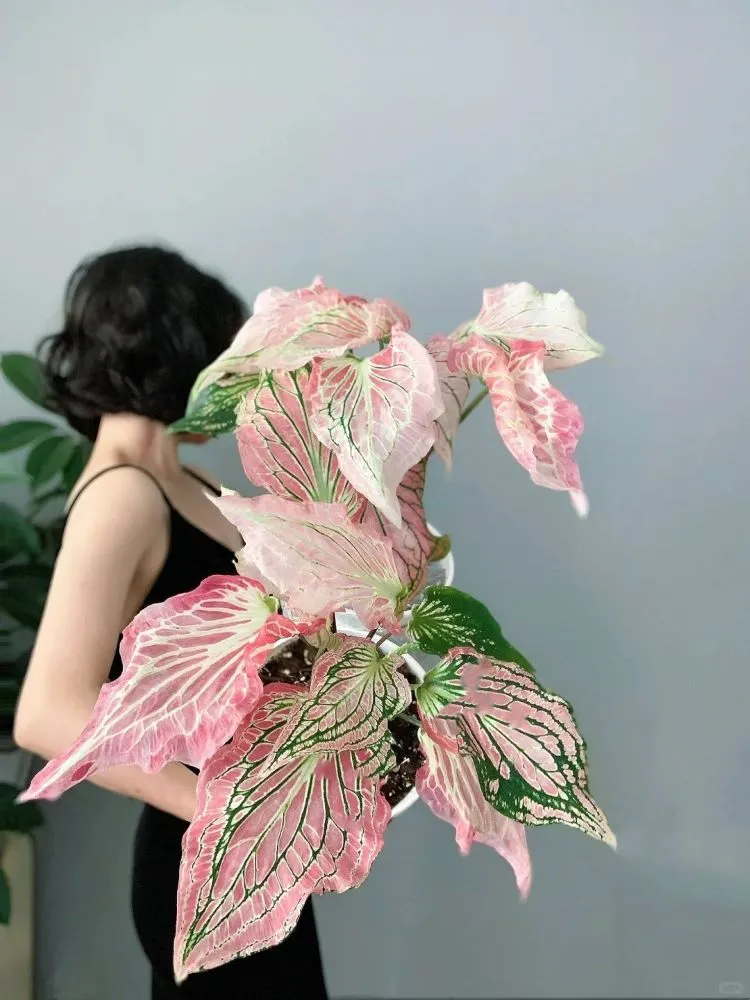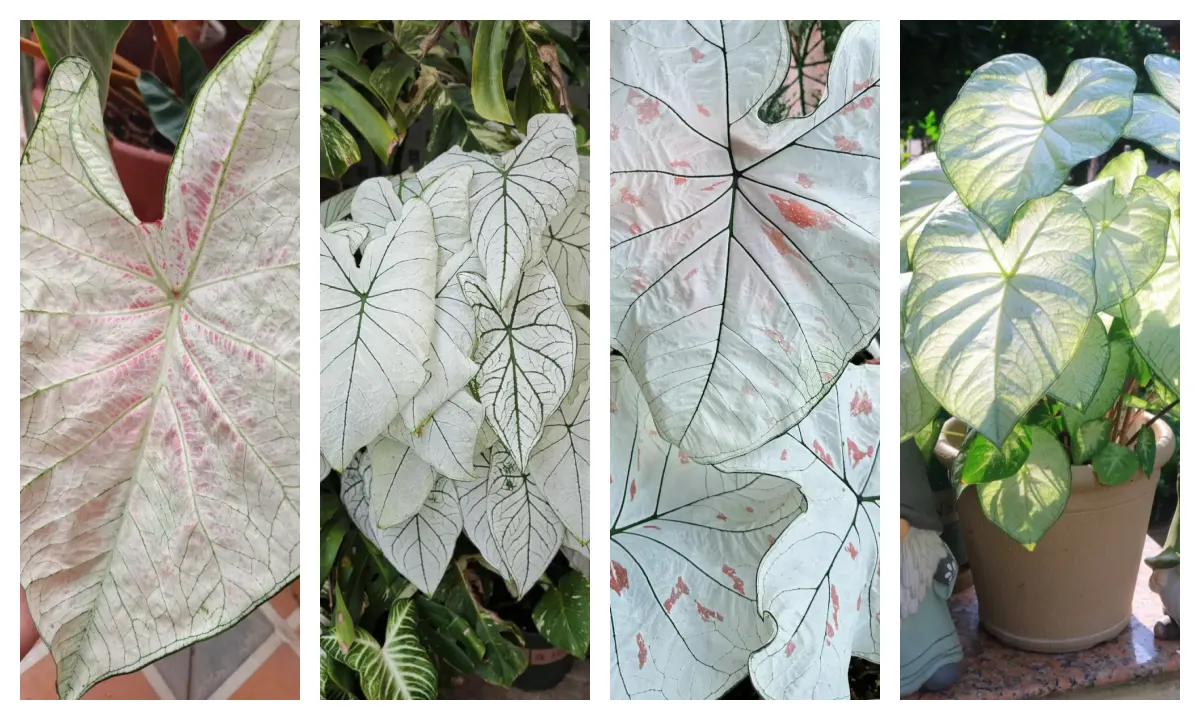
White Queen is one of the most recognizable white caladium varieties, known for its bright white leaf center, pink veins, and dark green margins. It’s also one of the classic cultivars featured in my guide to caladium varieties. The contrast between these colors gives the foliage a very refined and elegant appearance.
In bright light, the white surface of the leaf can look almost luminous, while the pink veins create a delicate network across the center. Because of this striking pattern, White Queen is often considered one of the most elegant caladium varieties for containers or indoor growing.
Despite its delicate appearance, however, this variety is still powered by a caladium tuber underground. As I later discovered with my own plant, even when the leaves above the soil begin to decline, the bulb itself can still remain surprisingly resilient.
When My White Queen Started Declining
When my White Queen caladium first arrived, the plant didn’t look completely healthy. The leaves were already a little droopy, which is a common issue I’ve also discussed in my guide about caladium leaves drooping, and the whole plant seemed slightly tired after shipping.
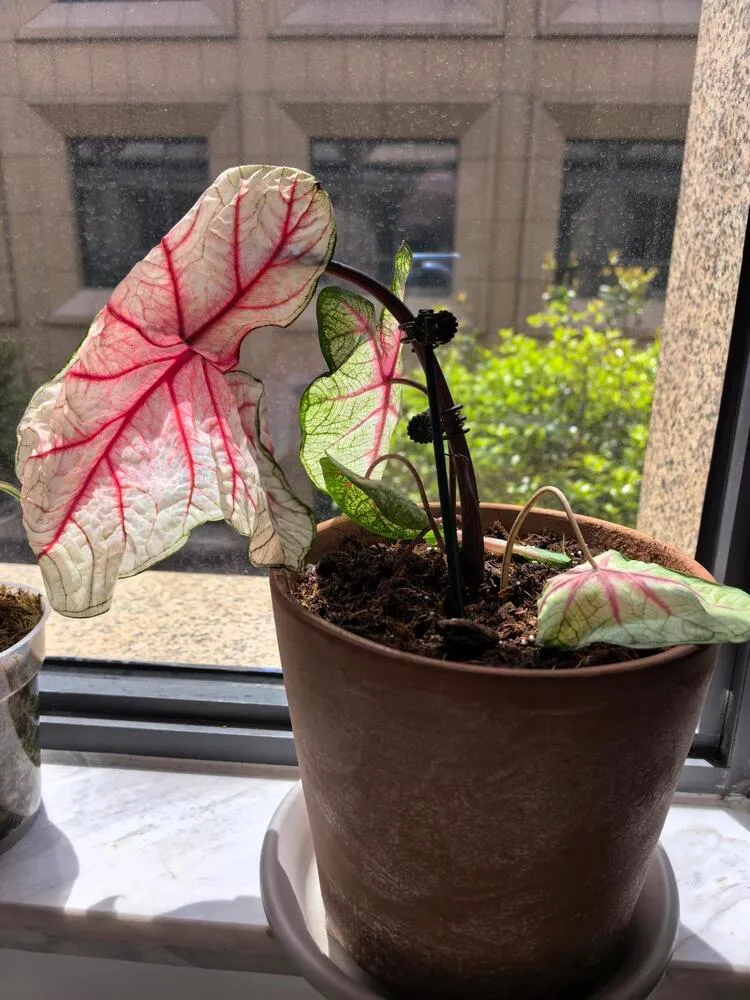
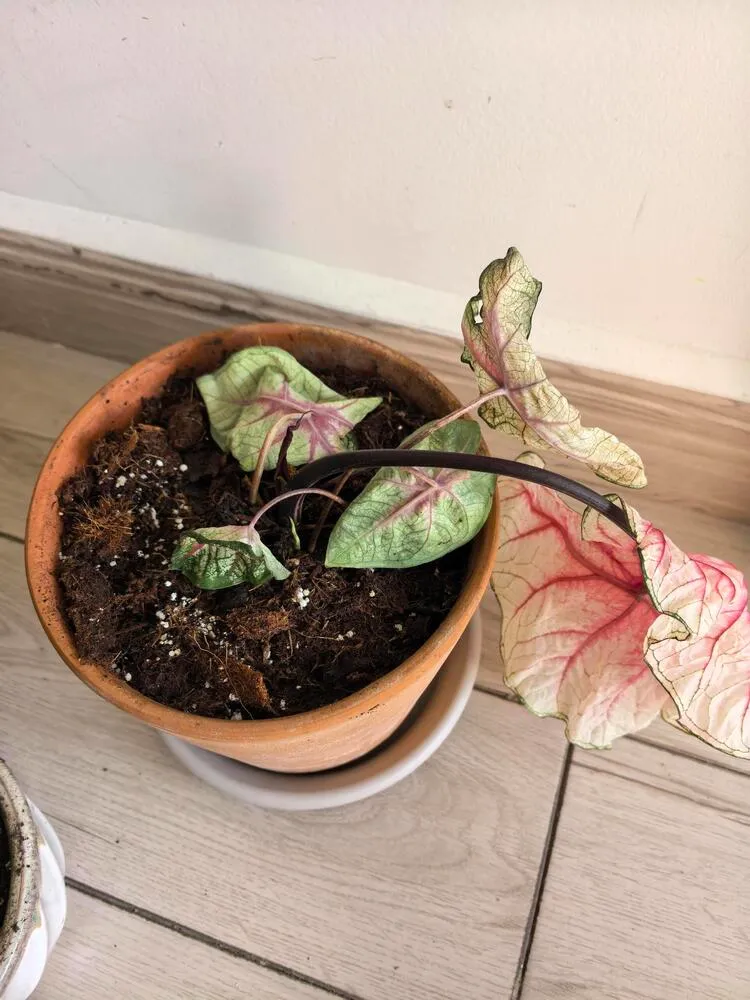
At first I assumed it just needed time to adjust to the new environment. Caladiums often experience a bit of transplant stress, so I expected the leaves to perk up after a few days.
But instead of improving, the condition slowly became worse over the next ten days or so. The leaves continued to lose firmness, and the plant showed almost no new growth, a situation that often overlaps with the problem of caladium not growing. Even though the soil and light conditions seemed fine, the overall appearance of the plant kept declining.
By that point, the White Queen looked like it was slowly fading rather than recovering, which made me suspect that something might be happening below the soil surface.
Digging Up the Bulb to Check the Roots
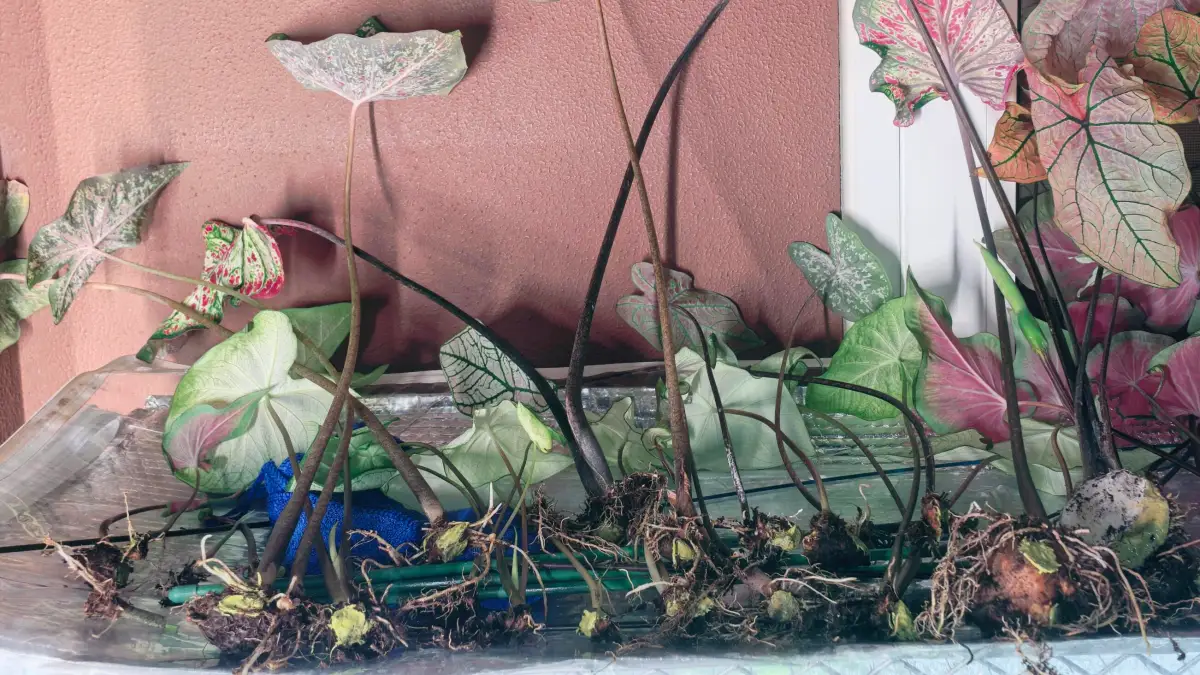
Since the plant kept declining, I eventually decided to check what was happening below the soil. I carefully removed the plant from the pot and dug down to inspect the caladium bulb.
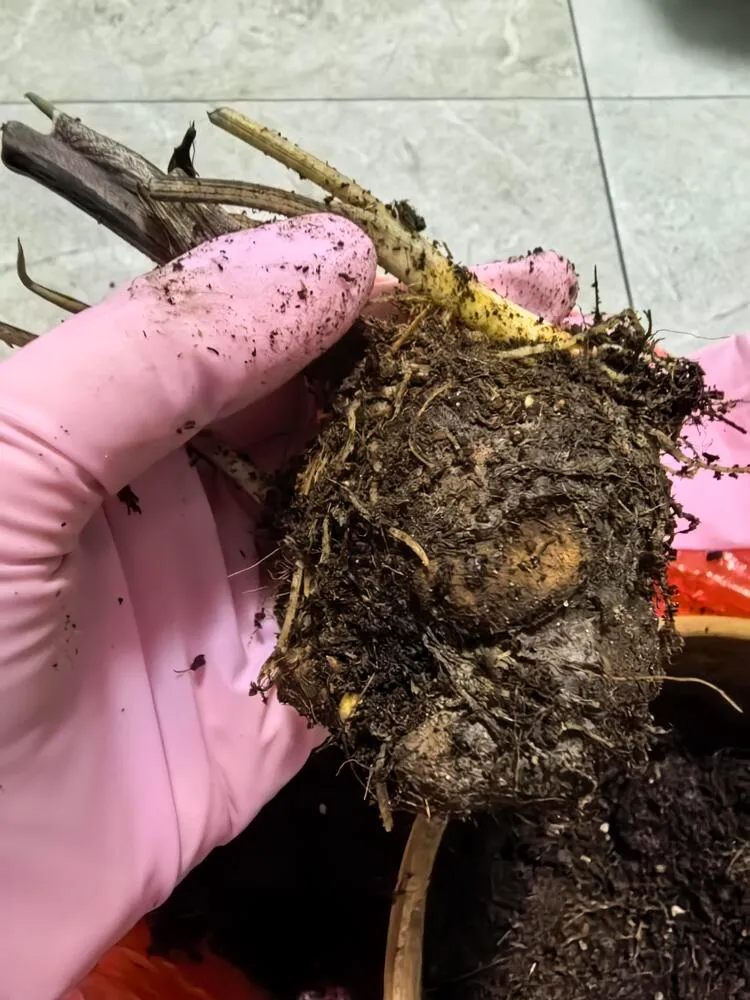
What I found was both surprising and a little confusing. The tuber itself was still firm and healthy, with no signs of rot or soft spots. However, the root system was almost completely gone. There were only a few tiny remnants of roots left, and most of the original roots had disappeared.
At that moment it became clear why the plant above the soil looked so weak. Without a functioning root system, the leaves simply couldn’t support themselves properly.
One important thing I learned from this experience is that even when a caladium bulb loses most of its roots, the bulb itself can still remain perfectly healthy. As long as the tuber stays firm and free of rot, the plant still has the potential to grow new roots and recover.
Why a Caladium Bulb Can Lose Its Roots
After seeing that the bulb was healthy but the roots were almost gone, I started trying to understand why this could happen. It turns out that losing roots is not that unusual for caladiums, especially after shipping or environmental changes.
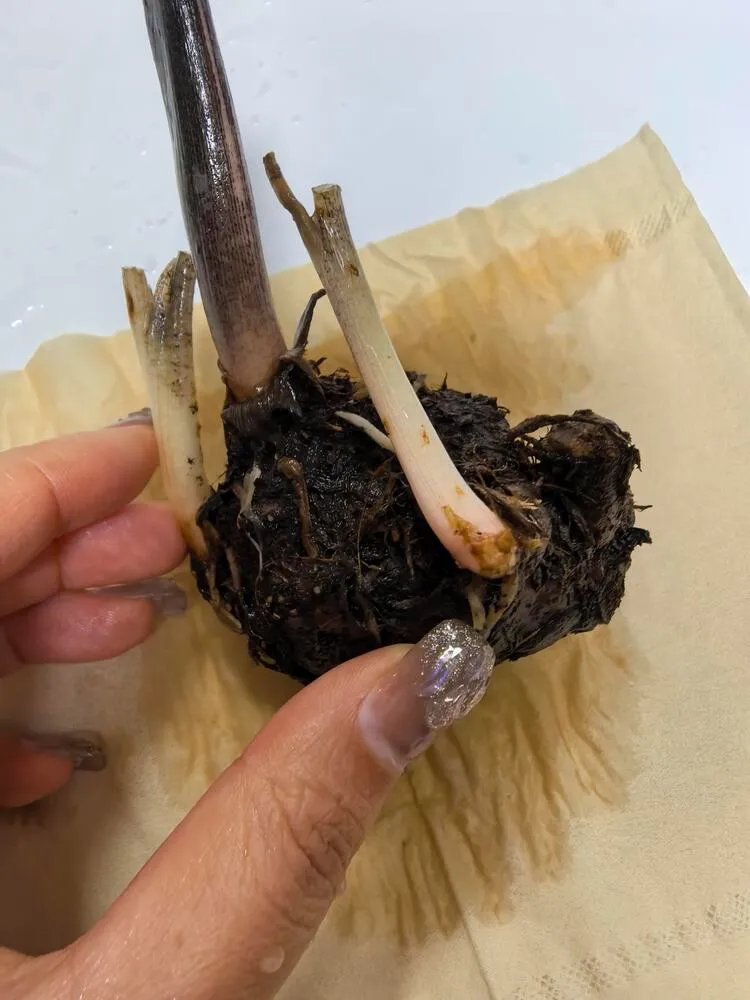
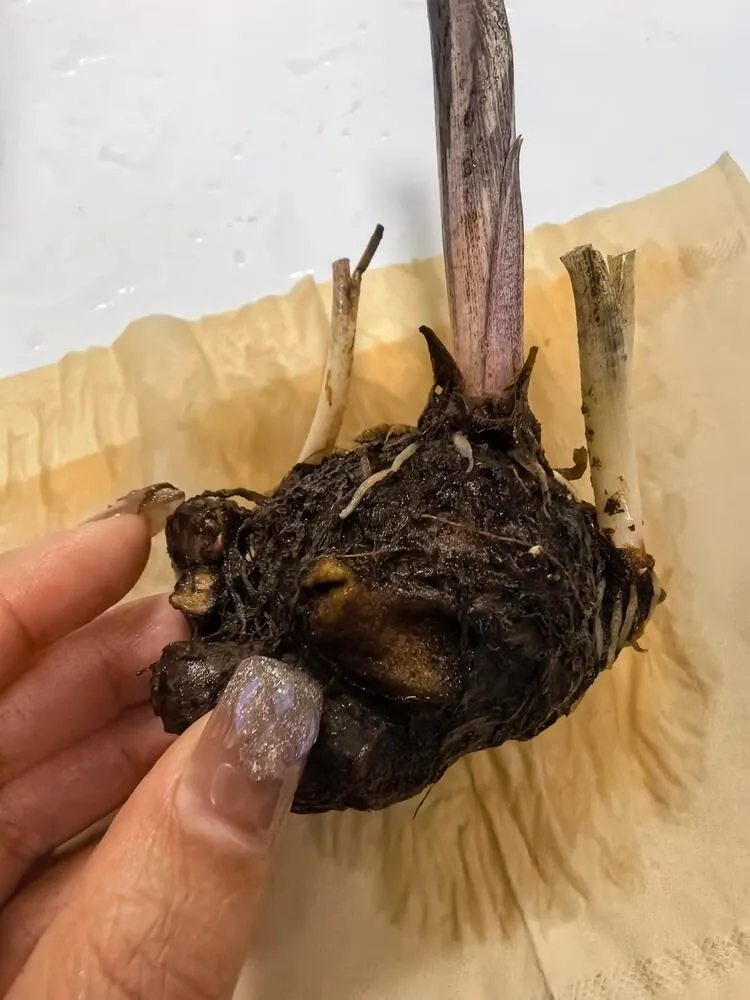
Several factors can lead to this situation. Transport stress is one of the most common causes. When plants are packed, shipped, and moved between environments, the root system can experience significant stress. Changes in temperature, humidity, and watering patterns during this process can cause some roots to die back.
Another possible reason is repotting shock. Even when handled carefully, moving a plant into new soil can disturb the fragile root system. Caladium roots are relatively delicate, and they can be easily damaged during transplanting or soil adjustments.
Physical root damage may also occur before the plant even arrives, especially if the plant was recently divided or grown in crowded nursery pots. In some cases, simply changing from one soil structure to another can cause the existing roots to decline before new ones develop.
One important thing to understand is that caladium roots are seasonal. The tuber naturally produces new roots during active growth periods, which means that even if the original roots disappear, the bulb can still regrow a fresh root system once conditions improve.
The Waiting Period
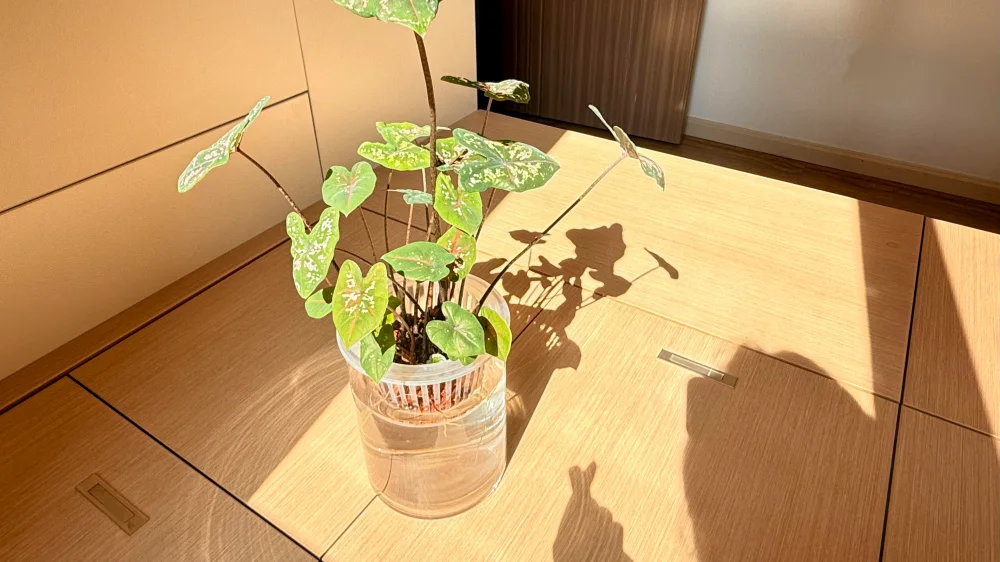
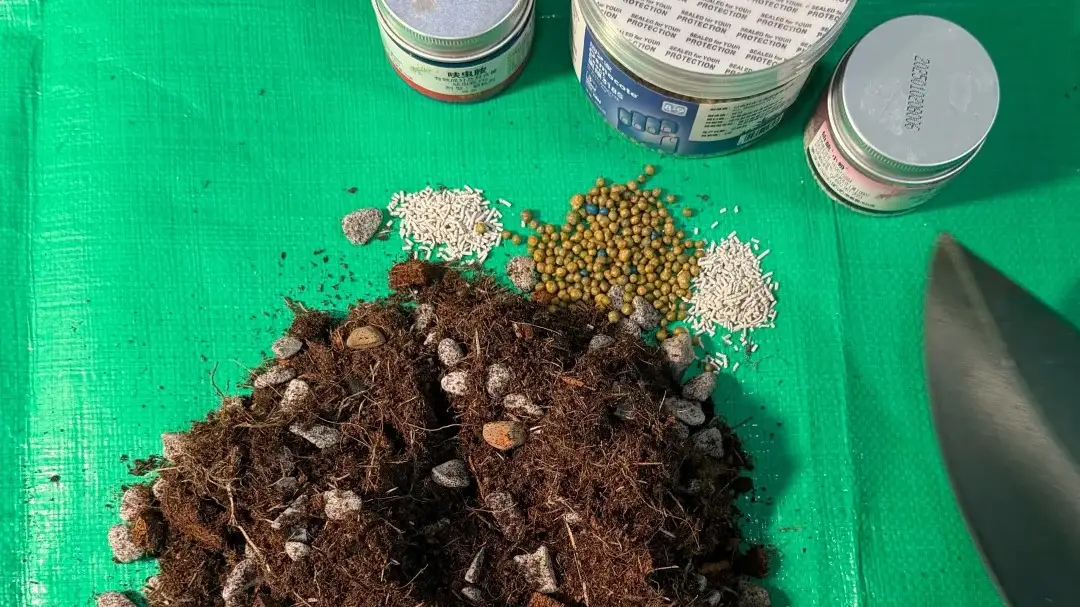
After confirming that the bulb was still firm and healthy, I decided to plant it back into the soil, similar to how you would normally plant caladium bulbs. Since the roots were almost gone, there wasn’t much else to do except give the bulb stable conditions and time to recover.
At that stage, the plant looked almost lifeless above the soil. The leaves had already declined, and there were no signs of new growth for quite a while. It was easy to assume that nothing was happening.
But underground, things were likely changing slowly. Even though the plant looked inactive, the bulb itself was still alive. The tuber appeared dormant on the surface, but it was most likely preparing to produce a new root system.
This waiting period lasted for several weeks. During that time, I simply kept the soil lightly moist and avoided disturbing the bulb again. Patience turned out to be the most important part of the process.
New Leaves Finally Started Appearing
After several weeks of waiting, the first encouraging sign finally appeared. A small new shoot began to push up from the soil surface — the same kind of early growth I talked about in my article on caladium bulbs not sprouting.
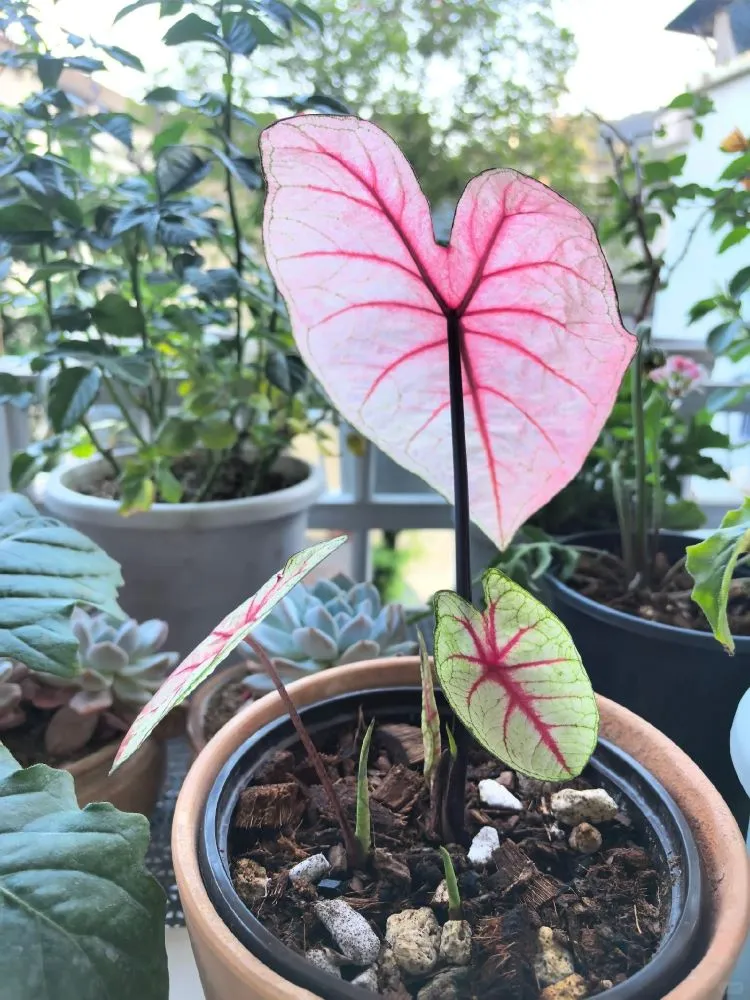
At first the shoot was tiny, but within a few days it slowly grew taller and began to unfold into a new leaf. This was the moment when it became clear that the plant had successfully recovered from the earlier root loss.
Once the first leaf opened, the plant continued to improve. Additional shoots began to appear, and the overall growth gradually became stronger. What had looked like a failing plant only a few weeks earlier was now clearly returning to active growth.
Seeing those new leaves emerge was the most reassuring part of the whole experience. It confirmed that as long as the caladium bulb remains healthy, the plant still has a very good chance of rebuilding its roots and producing new foliage again.
White Queen Grew Back All Its Leaves
Over the following weeks, the recovery continued steadily. More shoots appeared from the bulb, and new leaves began unfolding one after another. The plant that once looked weak and declining slowly started to regain its normal shape.
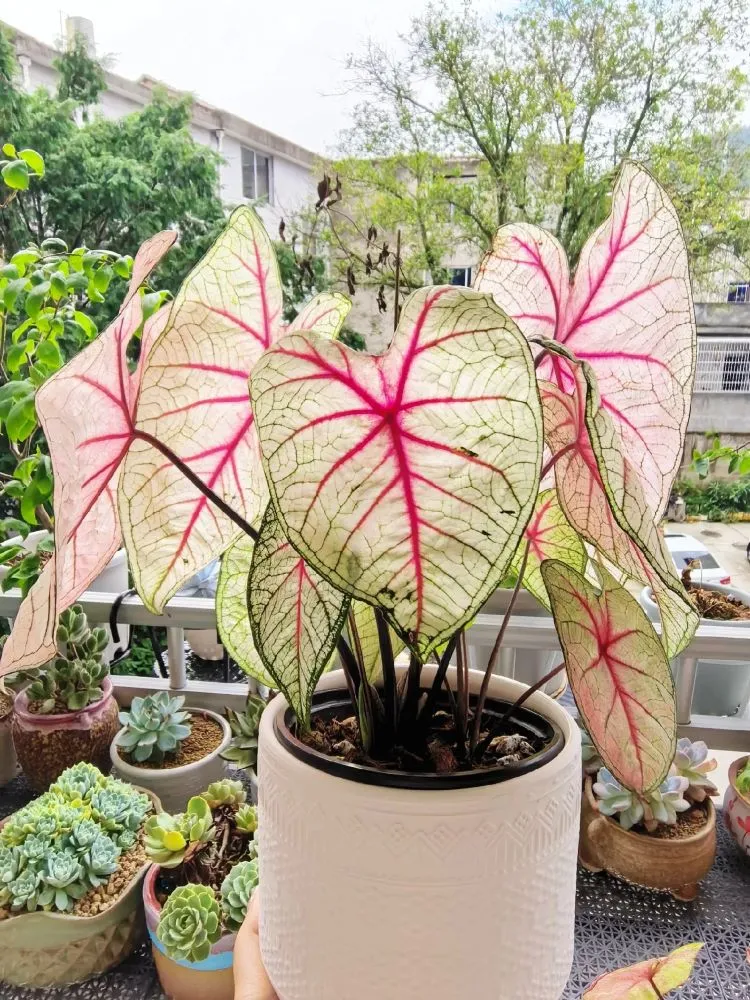
As the new leaves matured, the classic White Queen pattern also returned — bright white centers, delicate pink veins, and green margins spreading across the foliage. The plant no longer looked stressed. Instead, it began to look full and balanced again.
Eventually, the pot was filled with healthy leaves just like a normal White Queen caladium. It was hard to believe that not long before, the bulb had almost no roots and the plant seemed close to dying.
This experience made it very clear that a healthy caladium bulb can be surprisingly resilient. Even after losing most of its roots, the plant was still able to rebuild its root system and produce an entirely new set of leaves.
What This Experience Taught Me About White Queen
This experience changed how I think about caladiums, especially varieties like White Queen that appear delicate at first glance.
The biggest lesson was that the bulb matters more than the leaves. Even though the foliage above the soil looked weak and close to dying, the tuber itself was still firm and healthy. As long as the bulb remains alive, the plant still has the potential to recover.
I also learned that losing roots is not always fatal for caladiums. Their root systems are seasonal, and new roots can grow again once conditions stabilize.
Most importantly, this situation reminded me that patience is often the most important part of growing caladiums. What looks like a failing plant may simply be going through a temporary setback while the bulb rebuilds itself underground.
In the end, my White Queen produced a full set of new leaves and returned to healthy growth. The plant may look elegant and delicate, but the bulb itself can be surprisingly resilient when given time to recover.
FAQ
Want to Explore Other Caladium Varieties?
Understanding caladiums starts with seeing how each variety behaves.
Browse All Caladium Varieties →